PORTFOLIO



OVERVIEW
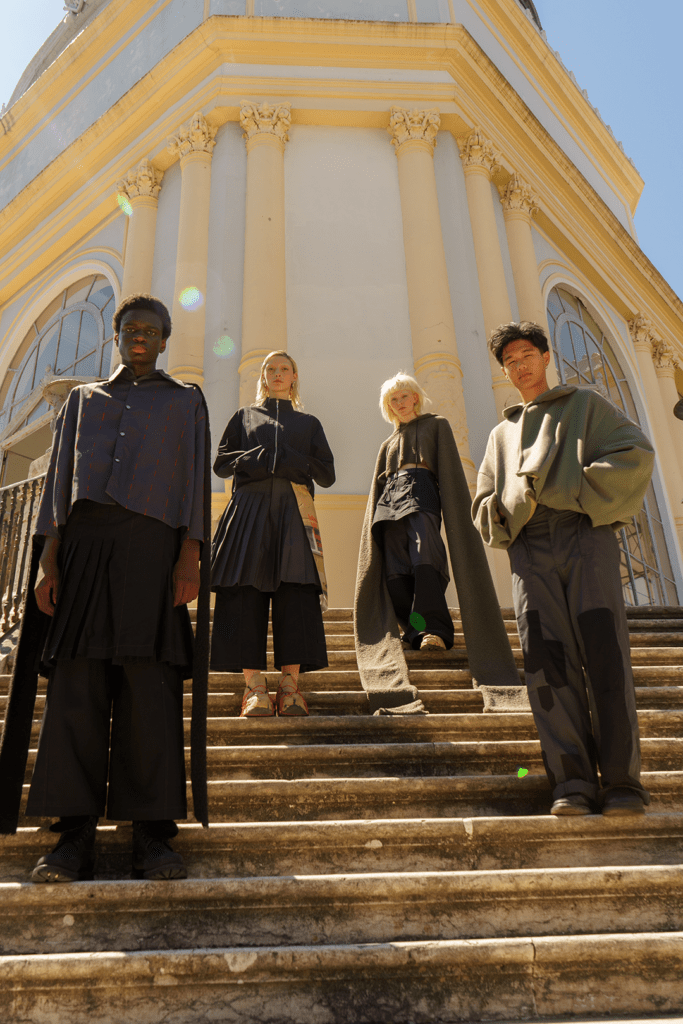
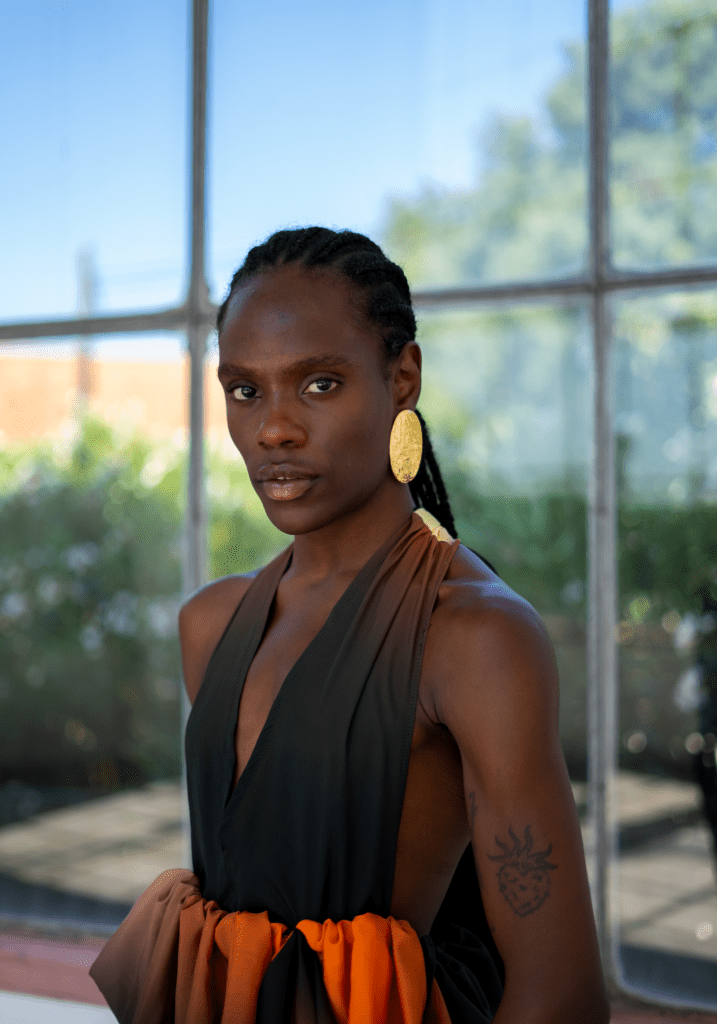
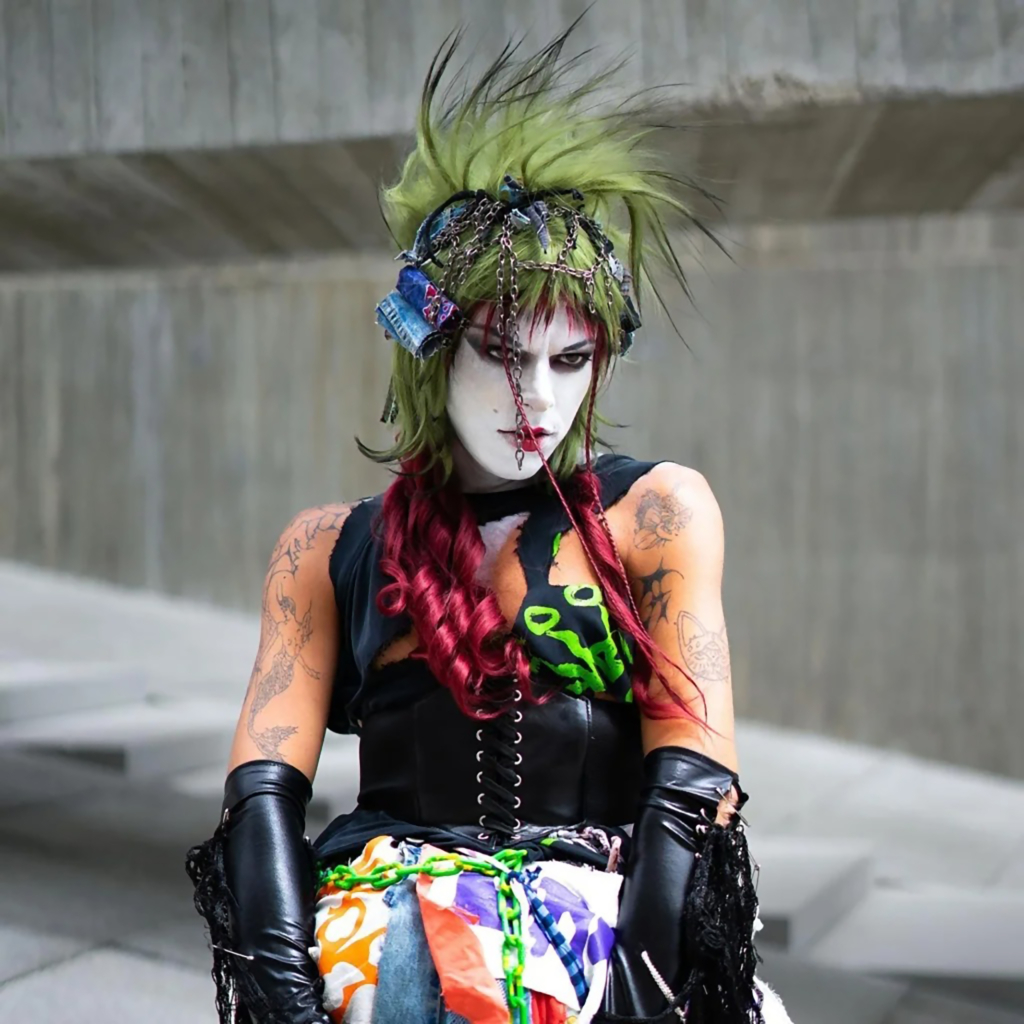
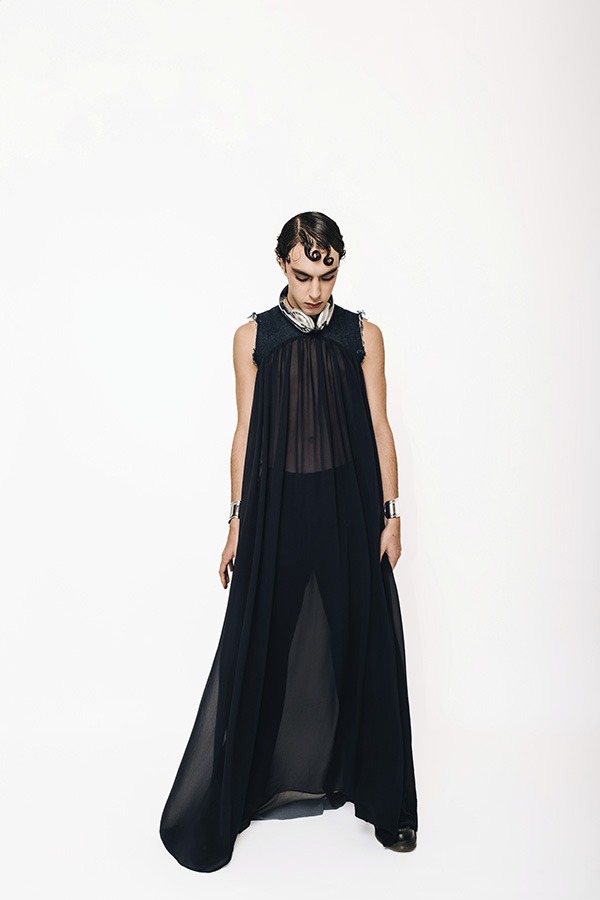
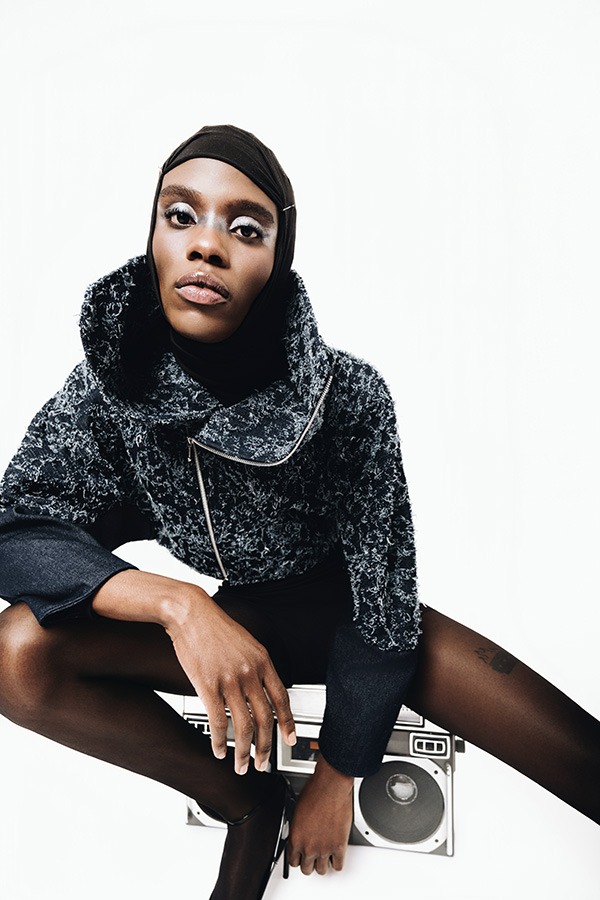
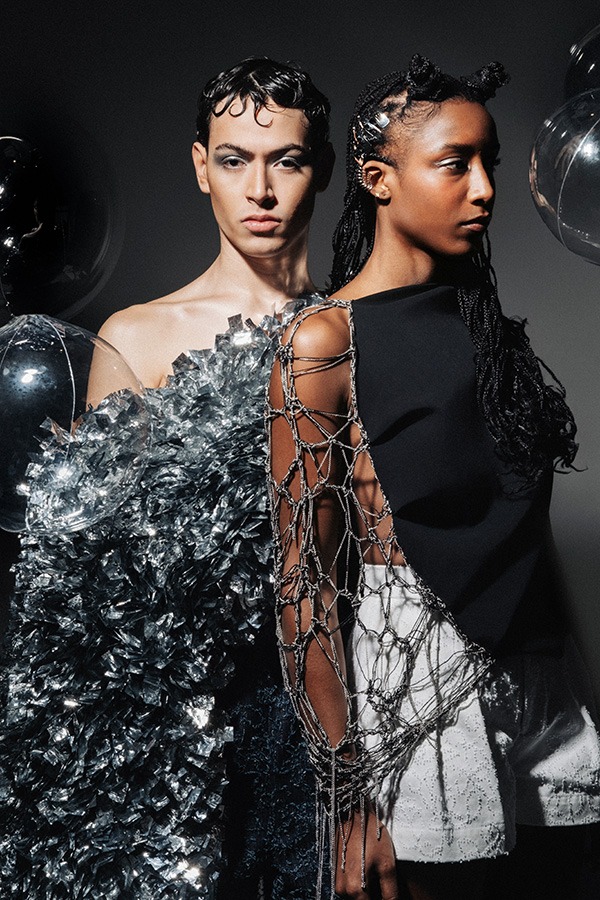
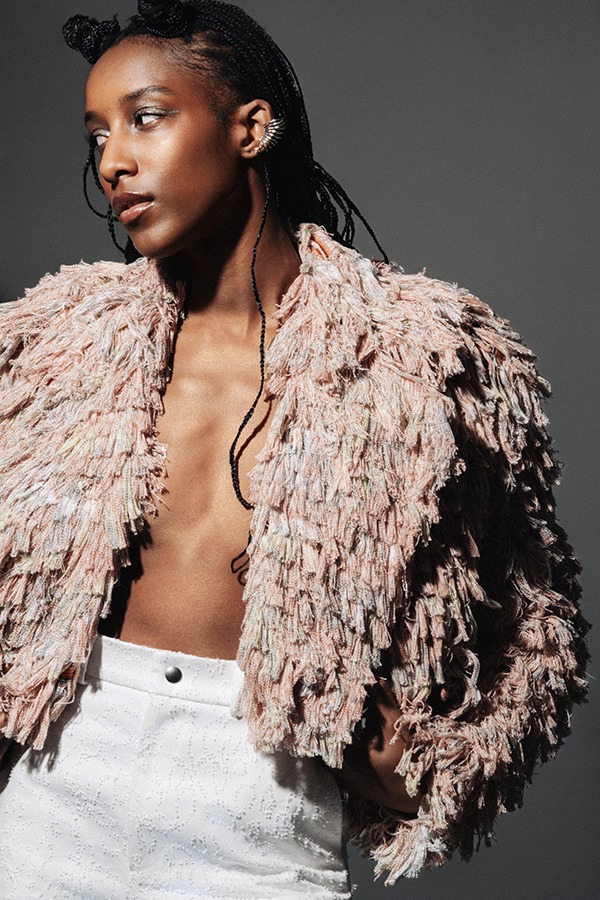
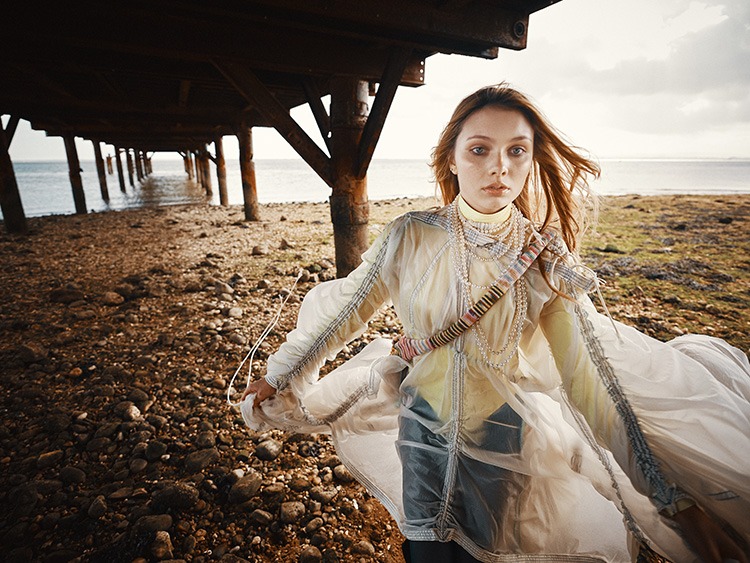
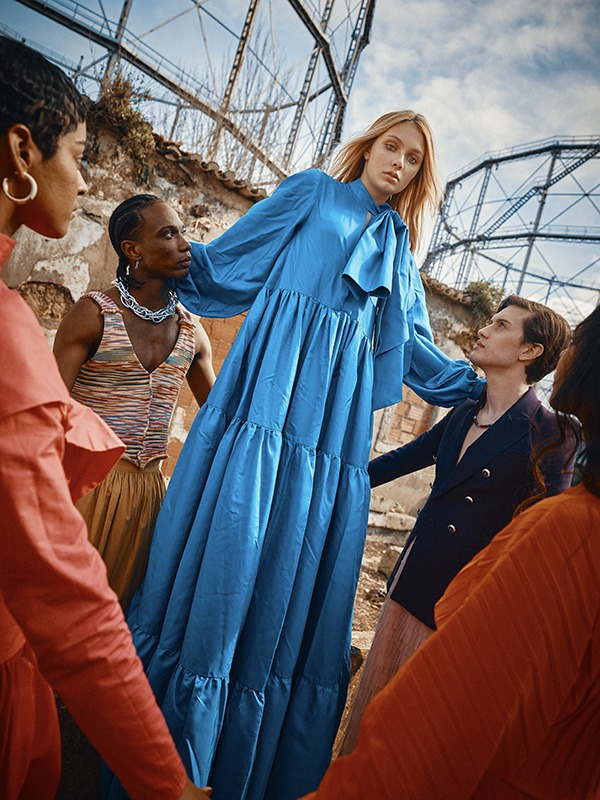
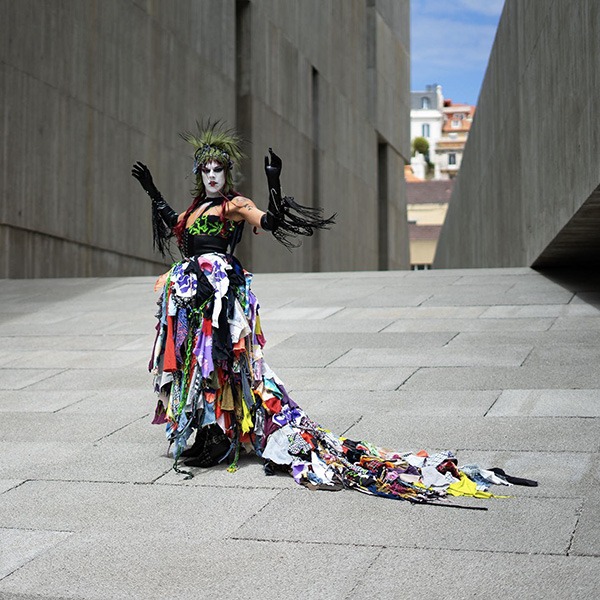
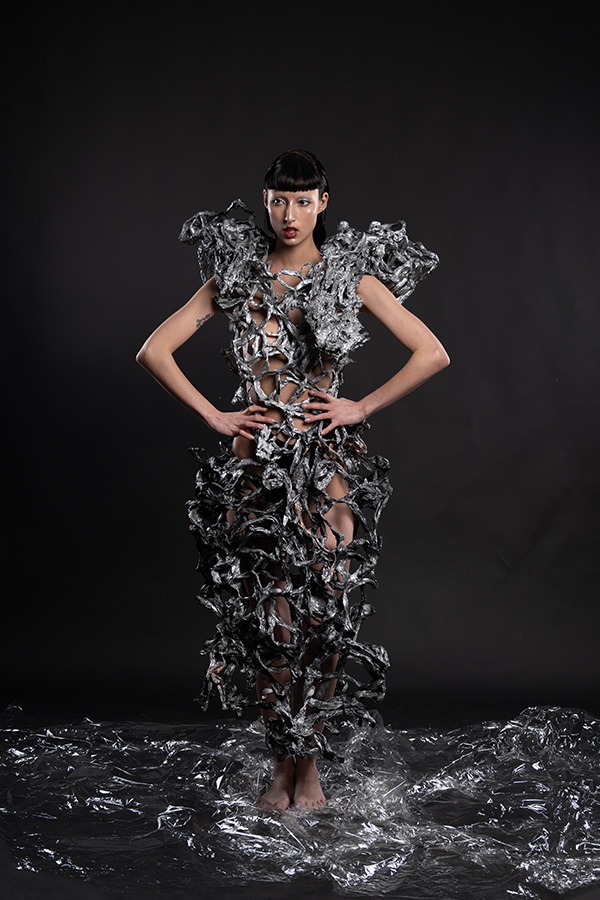
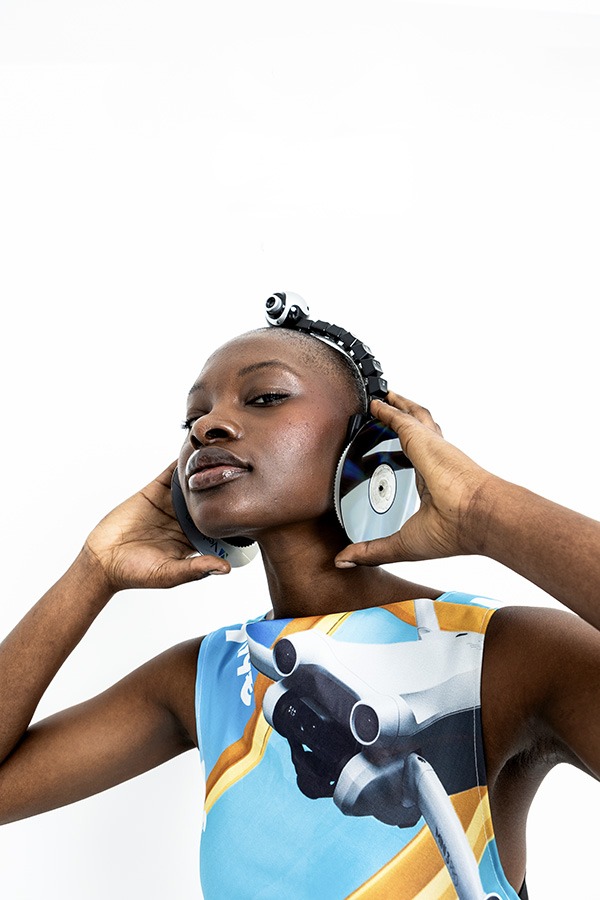
Styling is the art of transforming fashion into visual storytelling, where each look conveys a narrative and every image reflects a creative intention. The stylist, as the conductor of this transformation, is responsible for translating concepts, trends, and emotions into visuals that connect and inspire across platforms such as magazines, red carpets, and fashion shows.
The Fashion Styling and Image international certification offers a comprehensive and up-to-date education, focused on developing creativity and practical skills in future fashion professionals. The program prepares students to work in a wide range of fashion contexts, including commercial, editorial, and audiovisual styling, while exploring the impact of fashion imagery on the communication of products, brands, designers, and artists.
LEARNING METHODOLOGY
The School’s teaching is based on a project-based learning (PBL) approach, delivered in small classes of up to 18 students, ensuring close student-teacher interaction. Students learn by seeking solutions to real-world challenges, often working in teams, fostering their creative, critical, and personal development.
Projects are carried out in collaboration with partners from the national fashion industry or through interaction with peers and other industry professionals, such as fashion designers, photographers, makeup artists, showrooms, and modeling agencies. This approach enables students to build a professional portfolio throughout the course, ensuring they are well prepared to face the challenges of the fashion industry.
TEACHERS
The teaching staff is composed of active industry professionals, and students are encouraged to participate regularly in workshops, conferences, and study visits to enhance their knowledge and gain exposure to real-world professional environments.
PROGRAMME
This course unit focuses on understanding fashion as a cultural phenomenon. It explores the main theories, processes, and concepts within fashion through its historical, social, and cultural framework in the 20th and 21st centuries.
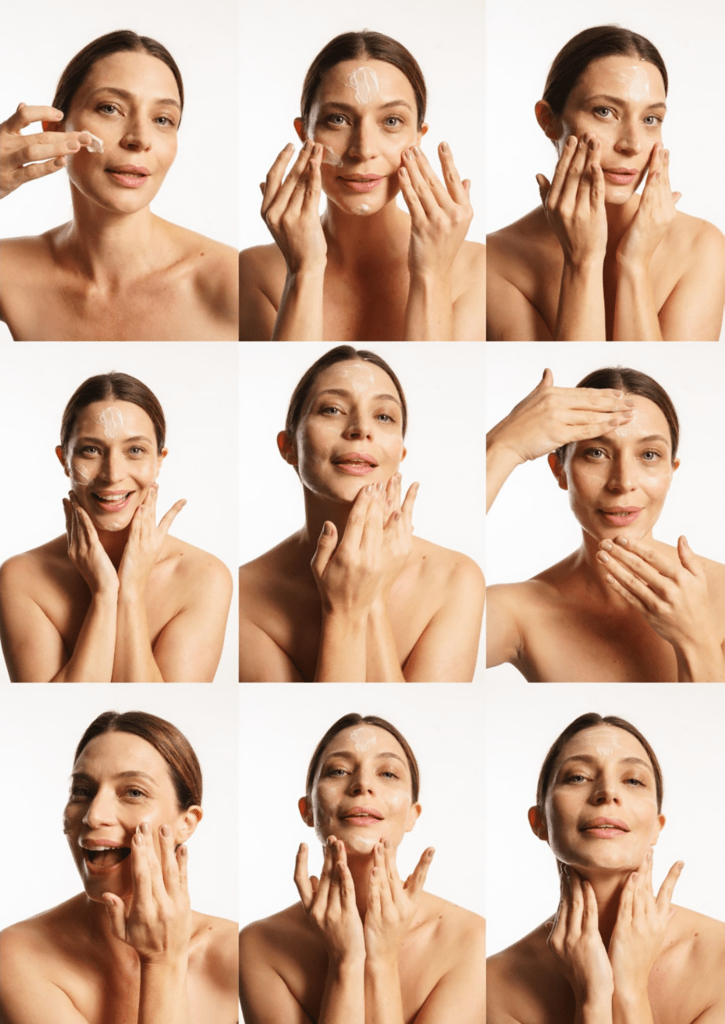
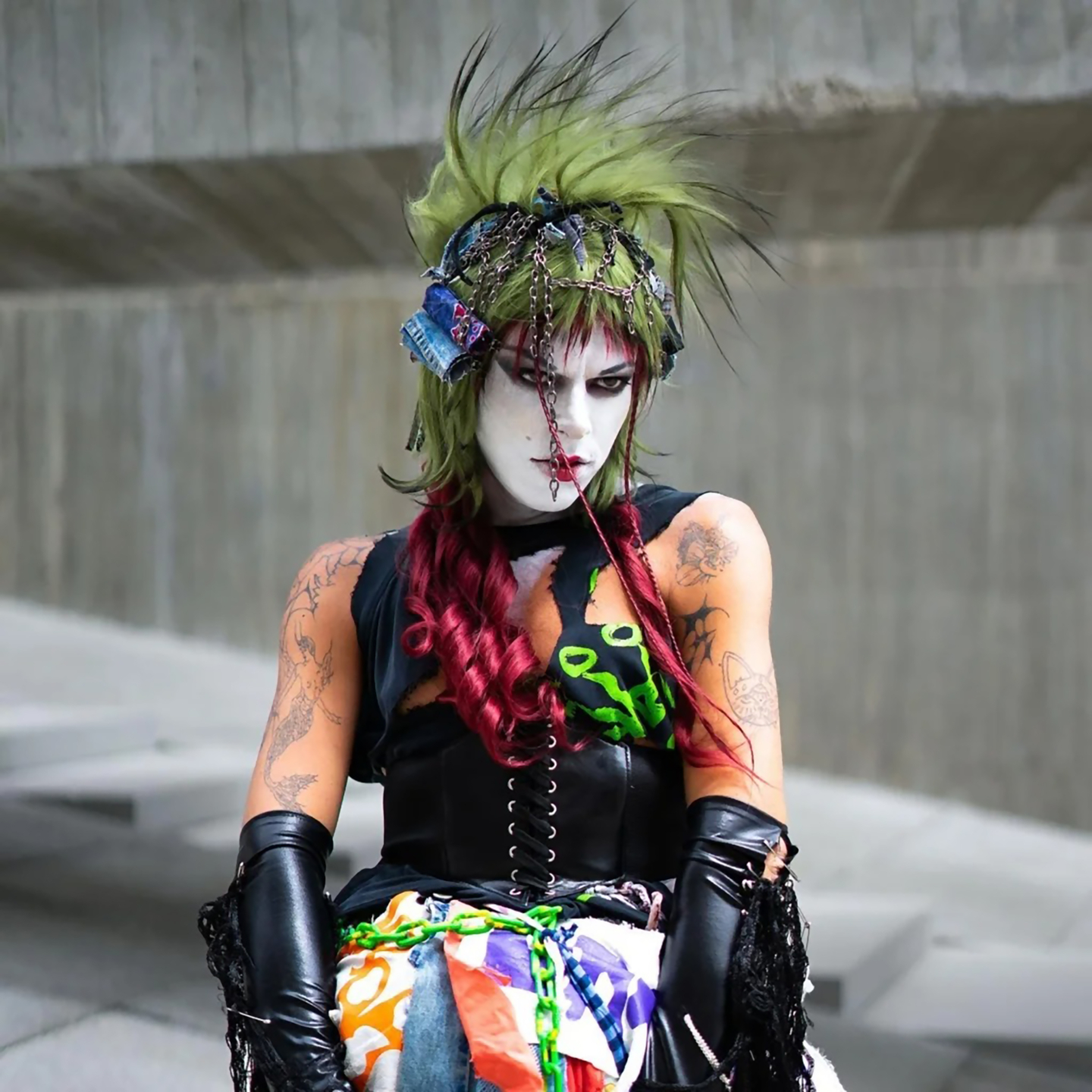
This unit focuses on makeup and hair as essential tools in the construction of impactful and coherent visual narratives in fashion imagery. Far beyond aesthetics, these areas are a way of creative expression that reinforces the message of the various agents within the fashion industry.
This unit explores the interpretation and production of images, as well as their role within the fashion industry. Visual communication has historically been one of the pillars of this sector, making it essential to master its language and practice, while also developing awareness and understanding of its impact on equality, diversity, and sociocultural inclusion.
In this unit, students explore the process of coolhunting and fashion trend identification, analysing how cultural, social, and technological factors influence the market.
Key sources of inspiration, such as subcultures and social media, are examined, along with the trend cycle, from initial identification to commercial adoption.
This unit explores fashion imagery as an essential commercial tool. For styling professionals, mastering the creation of clear and objective visual content is fundamental, whether through product photography (still life) or model-based photography, such as lookbooks and catalogs.
This unit explores the narrative potential of fashion imagery. Fashion editorials are presented as a form of visual communication with the ability to challenge sociocultural boundaries and humanize products and brands by anchoring them to stories, themes, and concepts. They serve both as a means of materializing trends and as a space for artistic vision, experimentation, and creative irreverence.
This laboratory seeks to unify connections within the community. It is a meeting point and an exchange space dedicated to creativity, where interdisciplinary practices are explored both inside and outside the school environment. Communication is central to this process. The lab aims to identify and mobilize trends, experiment with new ways of thinking and conceptualizing, and facilitate synergies among students—a true learning tool.
Our courses share content and present challenges with an international perspective. We prepare and support our students based on best practices, regardless of geography or nationality. For this reason, knowing English is a fundamental tool for breaking down barriers: gaining access to more references, discovering more professional contexts, and developing a portfolio in line with the best work being produced, without borders.
In this unit, students explore styling within audiovisual media—such as film, television, and advertising—learning how to create visuals that align with a production’s narrative and art direction. The unit highlights the importance of styling in shaping character aesthetics and communicating visual messages across different audiovisual formats.
In this unit, students have the opportunity to develop an experimental project that explores art direction within the context of styling. The focus is on building a visual narrative that not only aligns with the intended message but also generates a strong emotional and artistic connection.
This unit focuses on the creation and development of a coherent personal image (image consulting) or artistic image (artist development), aligned with the client’s objectives.
Strategies are discussed to enhance style, visual communication, and public presence, reinforcing each client’s identity and uniqueness.
This unit explores the role of events within the fashion industry, with an emphasis on styling and production as fundamental tools for translating cultural contexts and social trends into impactful visual narratives.
This unit familiarizes students with the transition into the job market. It addresses strategies for self-promotion, self-assessment, and the definition of career objectives, supporting students in building a clear and sustainable professional path.
The objective is to prepare students for the project-driven dynamics of the creative industries, encourage teamwork, promote interdisciplinarity, foster a sense of responsibility and goal achievement, and develop personal presentation and self-promotion skills. In this way, the school environment is brought closer to the reality of the professional world and its demands.
CERTIFICATION
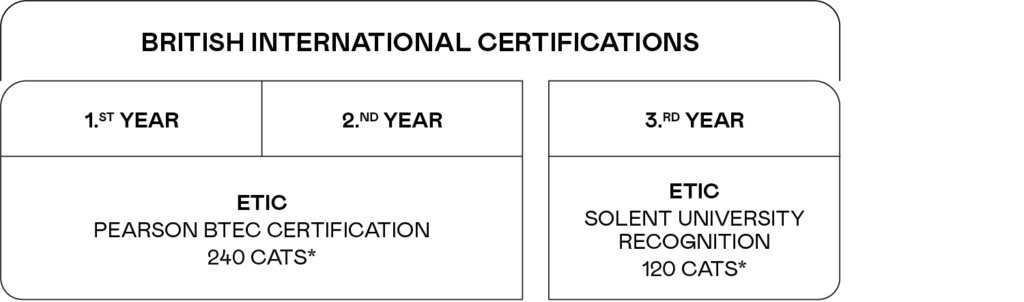
At the end of the second year, students receive the Pearson BTEC Level 5 Professional Certification (240 CATS*).
Certification follows the British education system; ETIC is not a higher education institution.
*CATS: Credit Accreditation Transfer System
TEACHING STAFF
LUÍS SANTOS
Coordinator
LUÍS SANTOS
Luís Santos is a multidisciplinary creative, lecturer, researcher and professional working in the fields of graphic design and fashion design, with a specialisation in visual and digital communication. He holds a PhD in Design from the Faculty of Architecture of the University of Lisbon. In his work as a designer and communication consultant, he applies a project-based methodology, combining a methodical and critical approach with creative and spontaneous thinking.
ANA AFONSO
Tutor
ANA AFONSO
Ana Afonso has a career spanning multiple creative disciplines and works in fashion design, accessories and costume design. She has collaborated with numerous designers and professionals across the creative industries and the performing arts. She holds a Master’s degree in Fashion Design from the Faculty of Architecture of the University of Lisbon and adopts a dynamic and empathetic approach to the challenges she undertakes, seeking to humanise creative processes and professional practices.
Ana Afonso
Luís Santos
ANTÓNIA ROSA
JOÃO BATALHA
JOÃO TELMO
MÓNICA LAFAYETTE
PATRÍCIA DE SÁ OLIVEIRA
SÉRGIO ONZE
SÉRGIO SANTOS
CAREER PATHS
Within the fashion sector, studentss are qualified to work in:
- Styling and Fashion Production companies (Photography, Video and Events)
- Showrooms and Press Offices
- Fashion newspapers and magazines
- Fashion trend forecasting agencies
- Wardrobe departments for film, theatre, television and advertising
- Communication and marketing departments of fashion brands
- Fashion schools and training centres
ERASMUS+ & INTERNSHIPS
At the end of the programme, and subject to academic performance, students may apply for:
- an international internship through the Erasmus+ Programme;
- a national/international internship or job opportunities for industry placements with partner companies;
Applications are submitted through the Professional Integration Department (estagios@etic.pt).
ETIC provides a digital platform to communicate job offers and employment opportunities from partner companies.
FACILITIES
ETIC is a school equipped with state-of-the-art technology, tailored to meet the specific demands of each area of study and industr
- Fashion studio equipped with industrial machinery;
- Photography studios featuring continuous lighting and electronic flash systems for fashion and product photography.
- Video and multimedia studio equipped with a cyclorama, virtual set system, and motion capture technology.
- Classrooms with individual workstations, including iMacs and PCs, supporting digital production workflows.
- Software: Adobe Creative Cloud Suite
APPLICATION
The programme is delivered in English. Recommended english entry level: B1*
Requirements
– Submit a motivation letter, outlining reasons for applying and professional goals;
– Submit portfolio or showreel;
– Attend an interview.
How do I start my application?
– Fill in the form by clicking the APPLY button.
– You will receive an email with dates options for your interview.
*According to CEFR Levels. If you would like to take a free online test , please click English Test
TUITION FEES
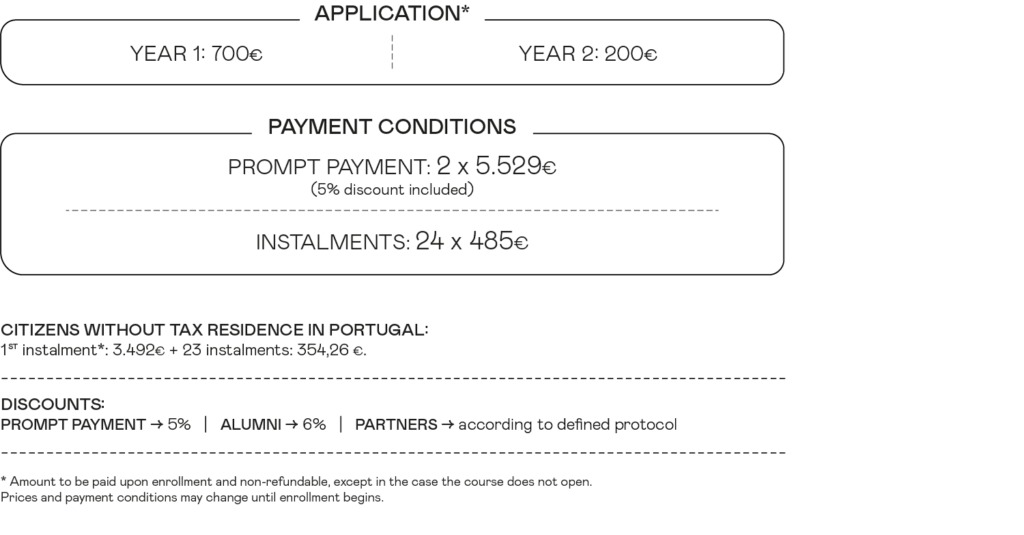
Several banks offer financing programmes to support training and education: Caixa Geral de Depósitos, Santander, Banco CTT, BPI, among others.
TERMS AND CONDITIONS
The opening of each course, class or timetable is subject to a minimum number of enrolments. Enrolment in a specific timetable is limited to the number of available places. Teaching is on-campus and project-based. The course programme includes sessions without a tutor, dedicated to the development of independent exercises and project work. Independent and project-based work is essential to students’ learning progress. Tutors may require students to complete assignments outside scheduled class hours.
Occasionally, classes may be scheduled outside the regular timetable, for example to accommodate projects that require greater flexibility, specific equipment needs, real-world exercises developed with partners, or any other reason that supports the effective delivery of the programme.
Specific technical classes and/or workshops may take place on Saturdays.
The duration of each class may vary depending on whether it is theoretical or practical in nature.
Classes may be divided into smaller groups to enhance learning and intensify the development of projects and course content.
The curriculum and teaching staff may be subject to change for pedagogical reasons or due to circumstances beyond the school’s control.
For further information, please contact us.