PORTFOLIO
OVERVIEW
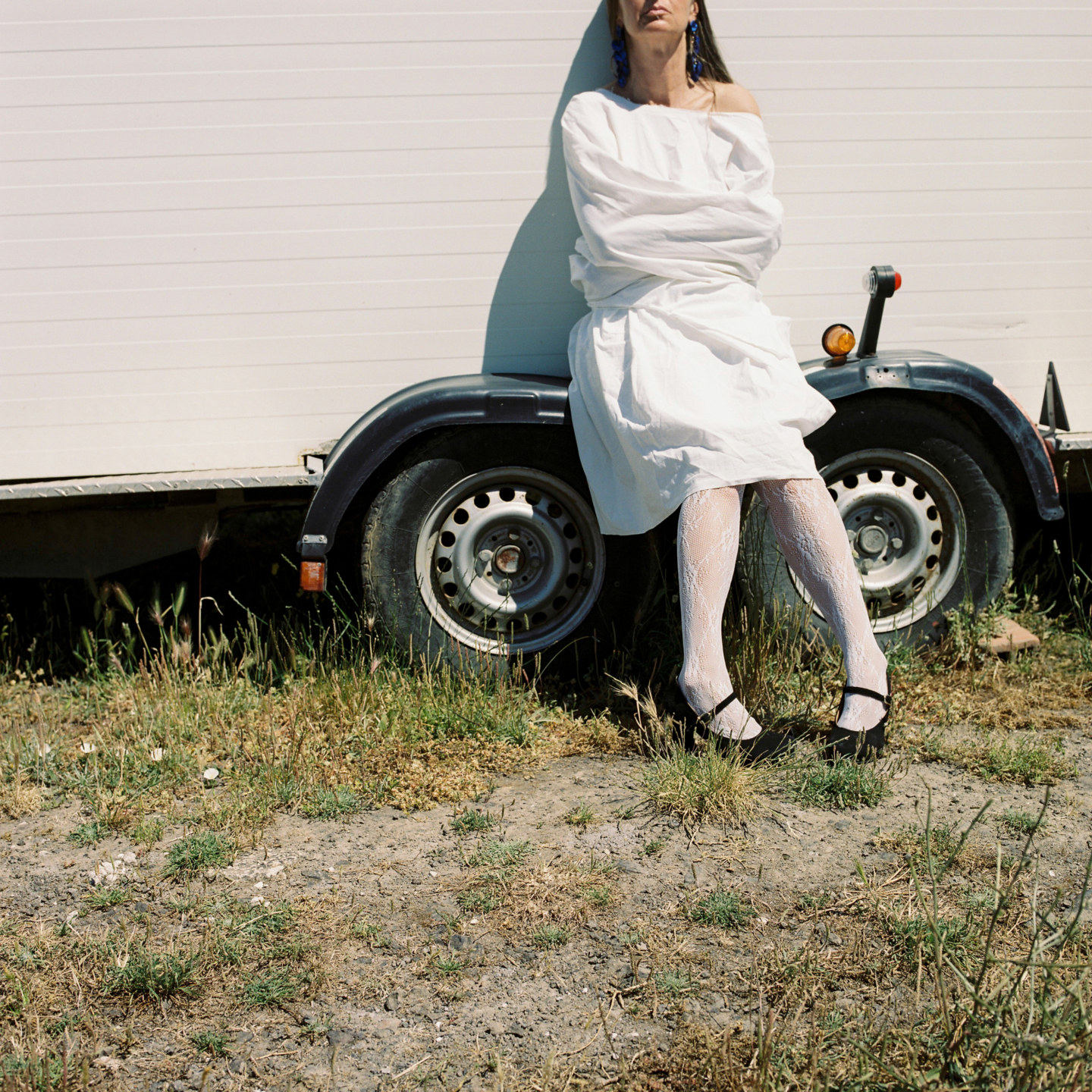
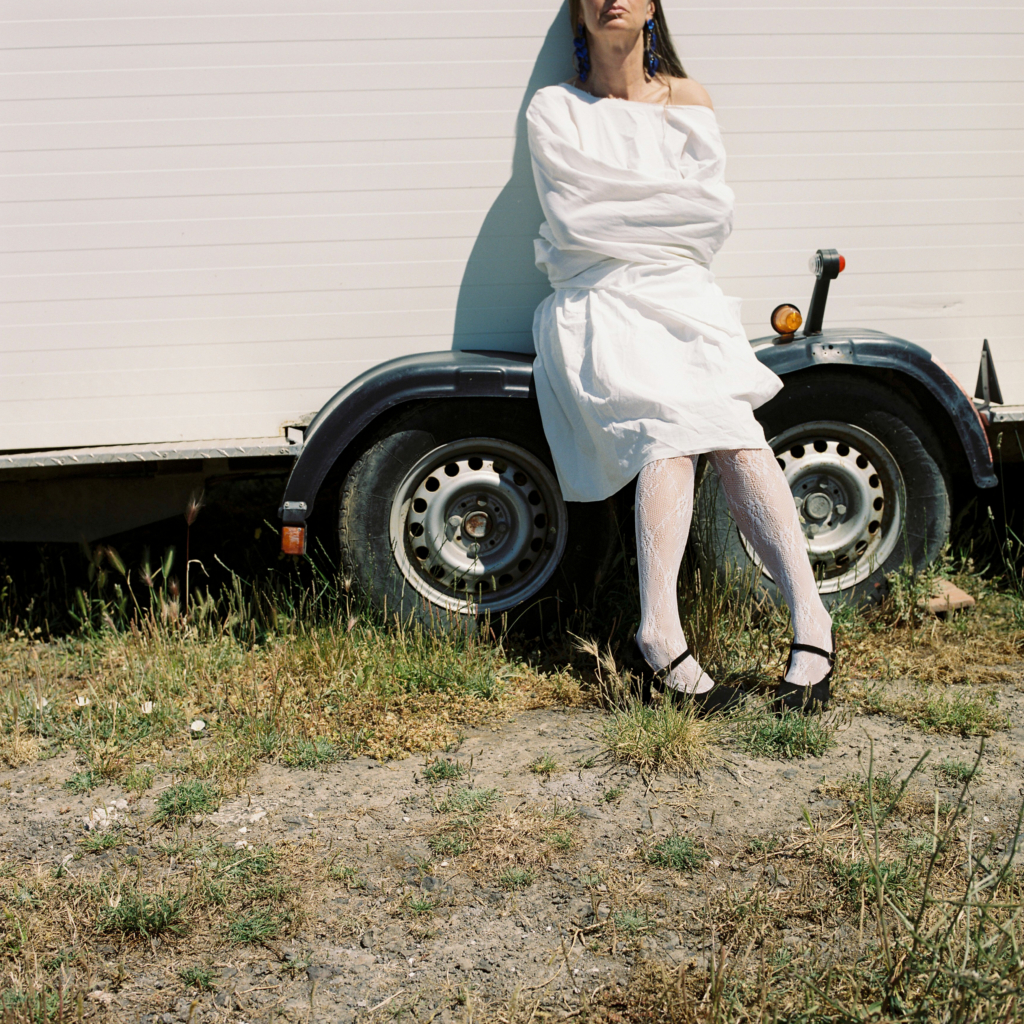
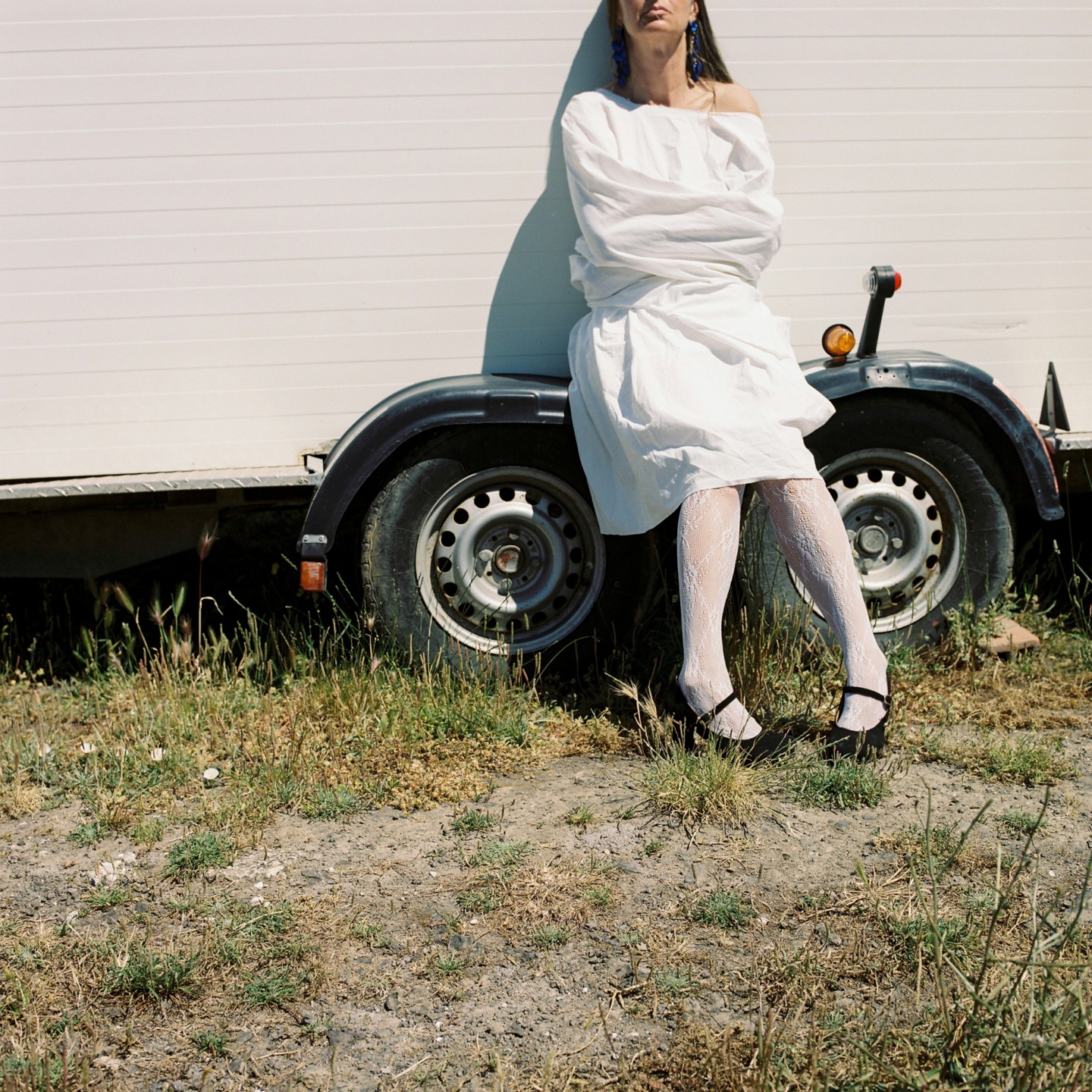
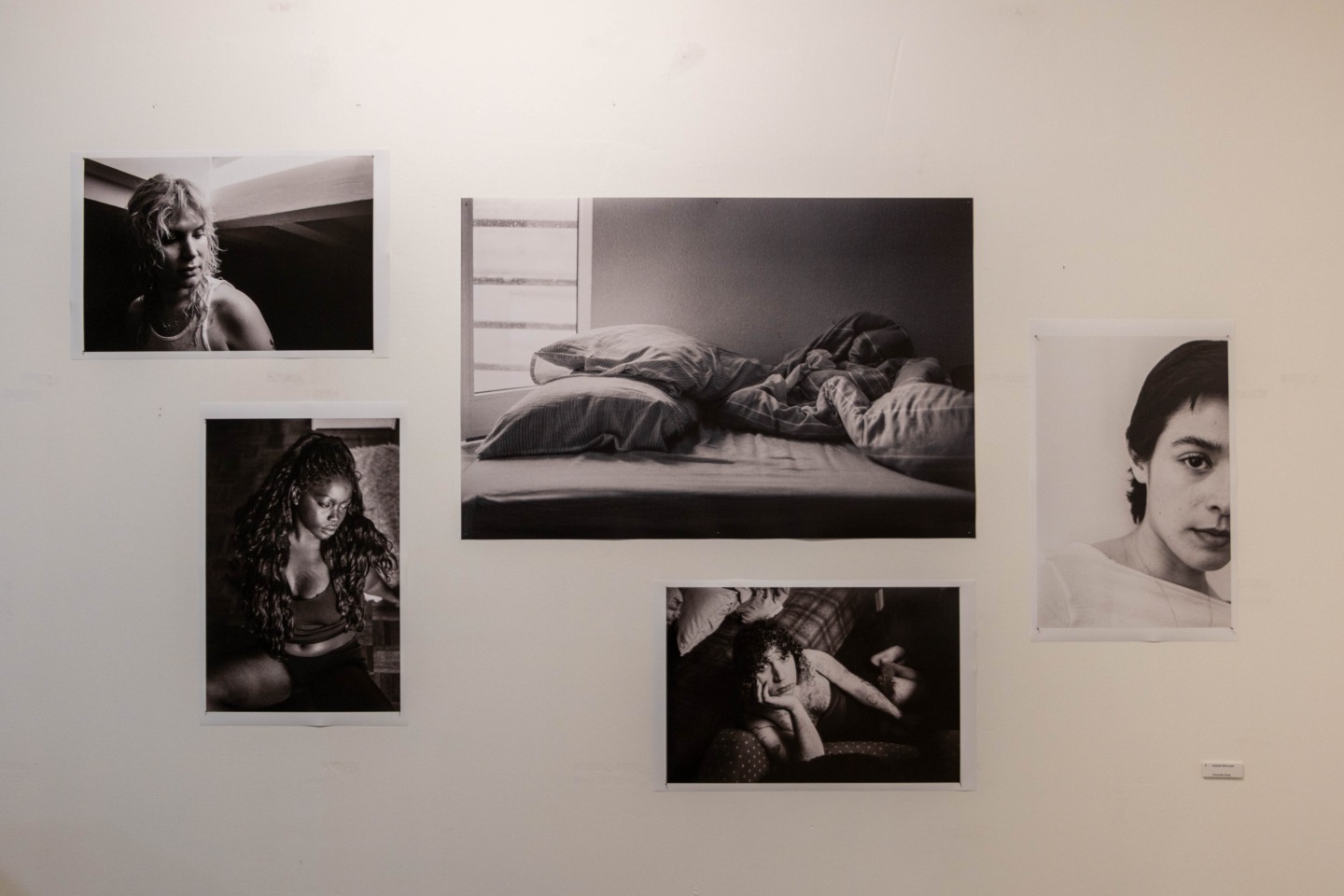
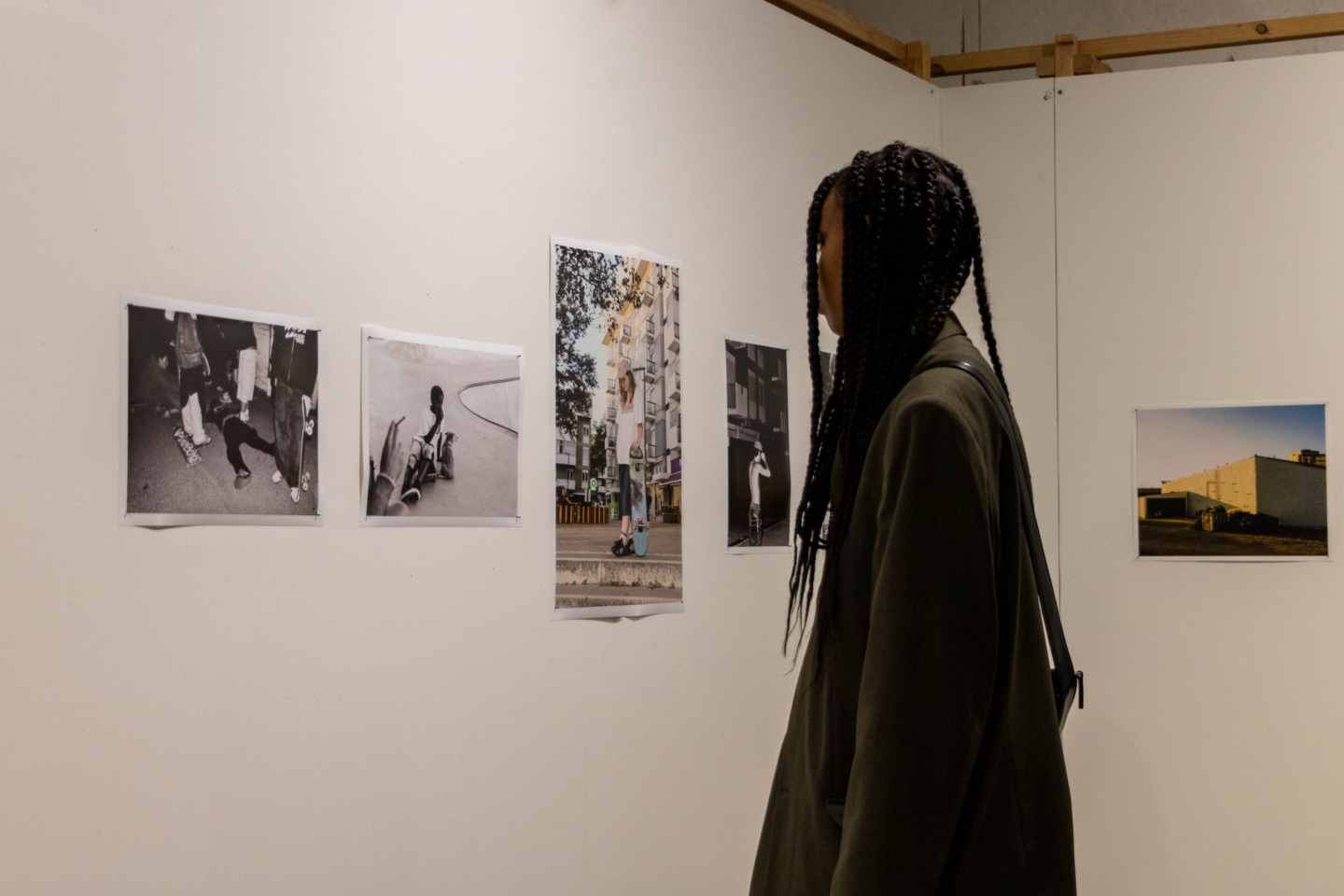
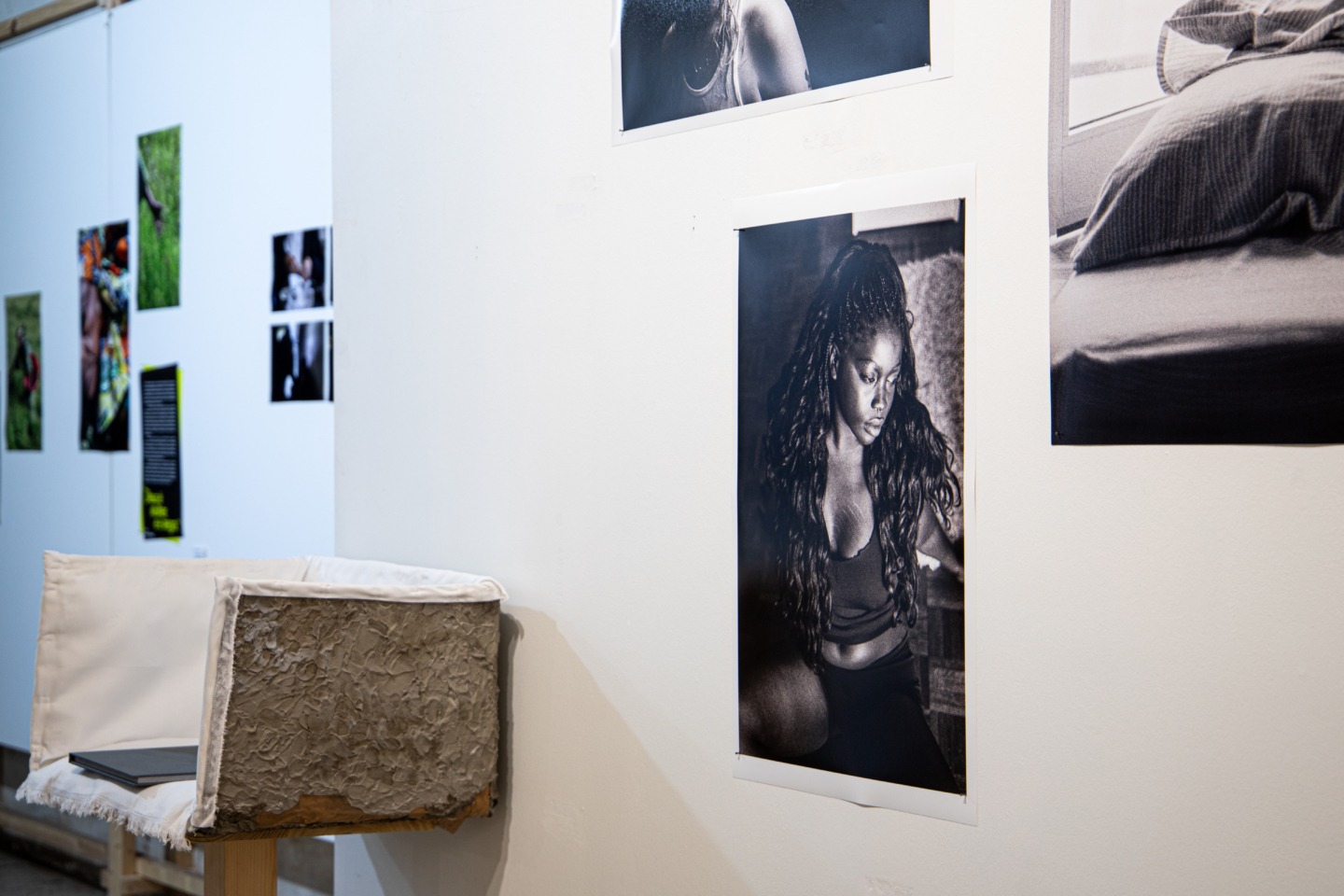
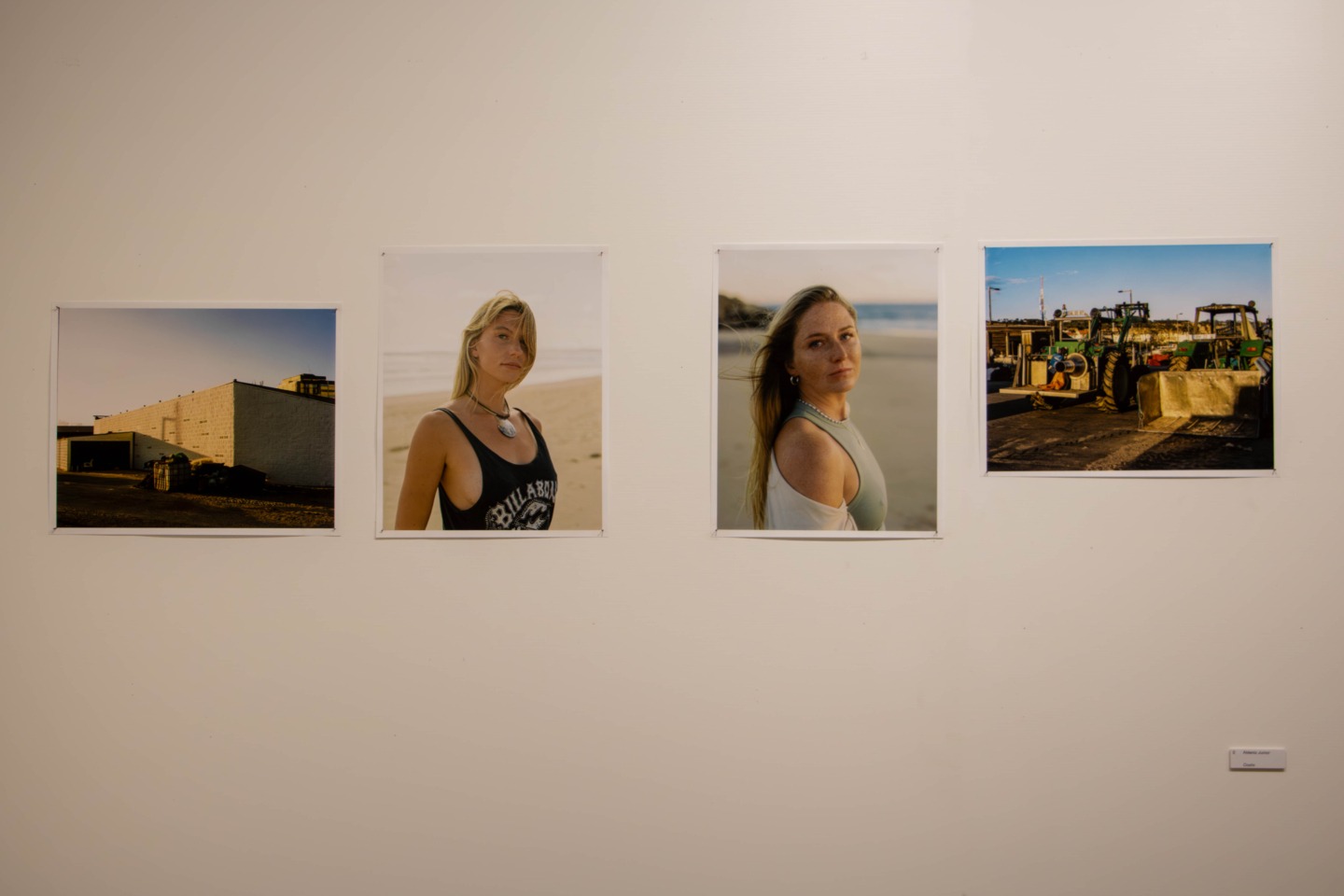
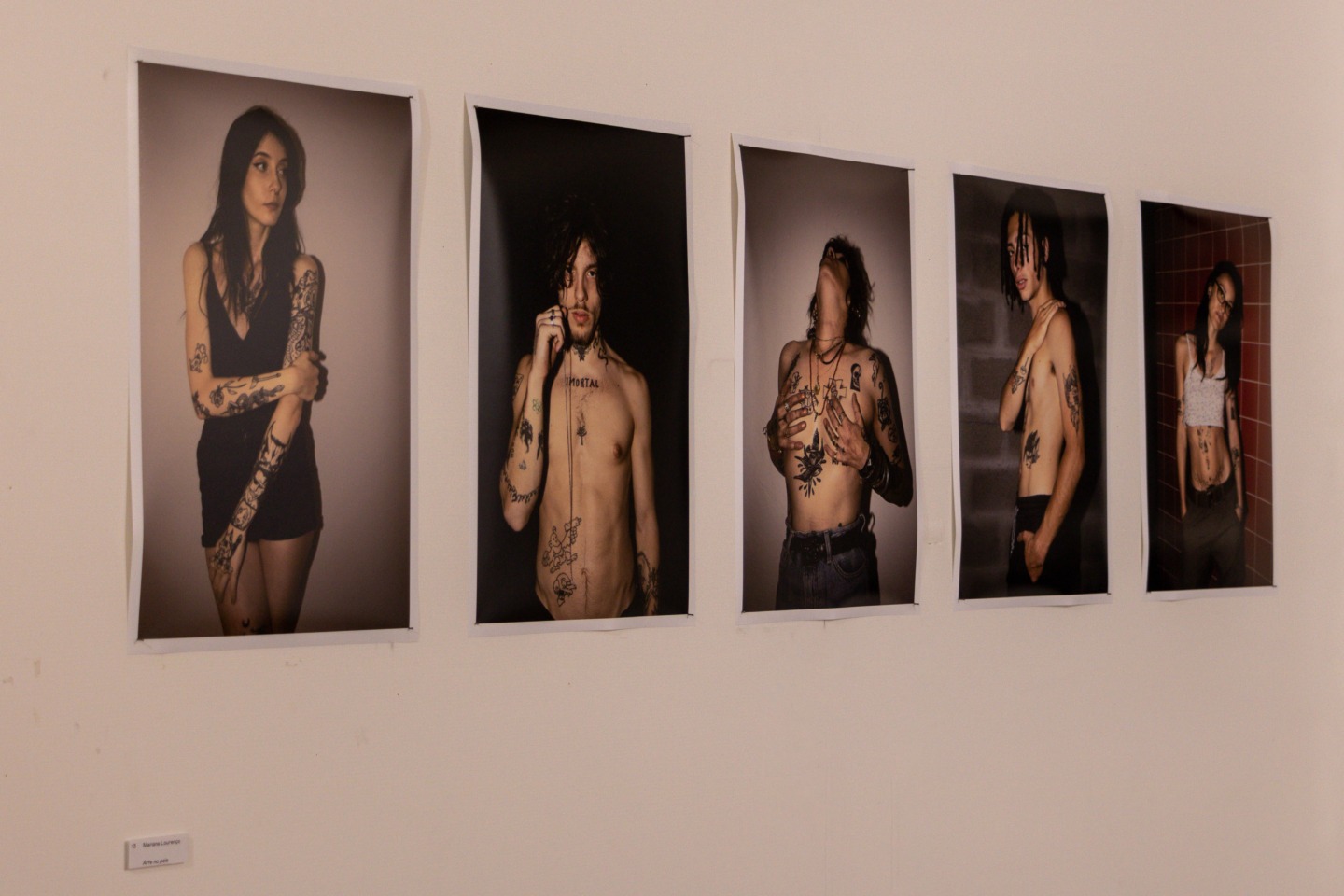
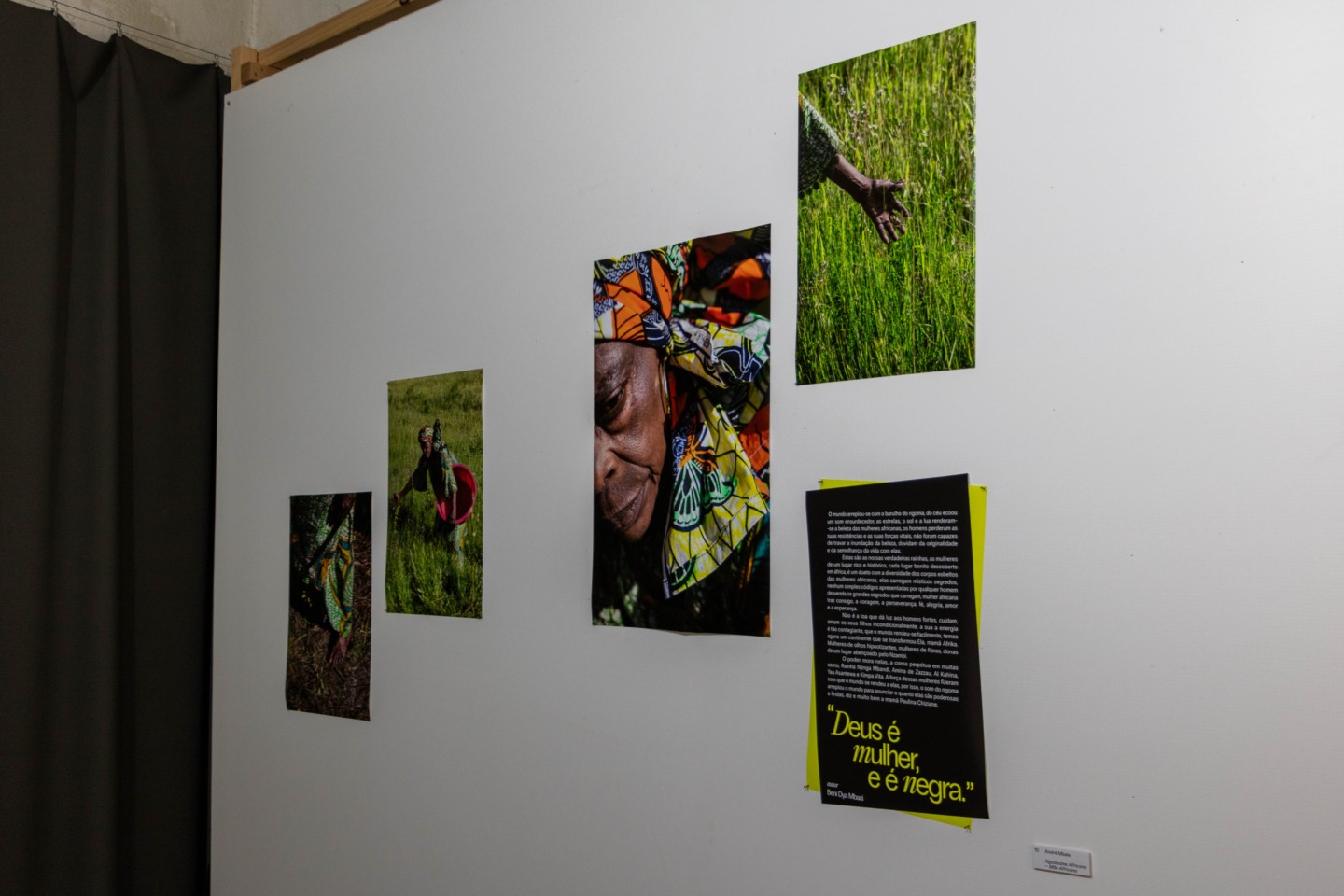
Photography creates a distinctive visual language by capturing unique moments in music, concerts, fashion, reality and events. From creative and personal expression to industry applications and social media, photography conveys emotions, tells stories and helps us understand the complexity of the world.
Throughout the course, students work both outdoors and in studio environments, exploring areas such as fashion photography, photojournalism, video and advertising. They learn and apply photographic techniques, both analogue and digital, experiment with studio lighting and explore conventional and alternative printing methods.
Students investigate technical and aesthetic concepts through individual and collaborative projects, developing an original and distinctive visual language, whether oriented towards personal expression or professional practice.
LEARNING METHODOLOGY
The School’s teaching is based on a project-based learning (PBL) approach, delivered in small classes of up to 18 students, ensuring close student-teacher interaction. Students learn by seeking solutions to real-world challenges, often working in teams, fostering their creative, critical, and personal development.
TEACHERS
The teaching staff is composed of active industry professionals, and students are encouraged to participate regularly in workshops, conferences, and study visits to enhance their knowledge and gain exposure to real-world professional environments.
PROGRAMME
In this unit, students will have the opportunity to engage in a reflective study on how to “write” and “read” photographic images. The study of photographic culture covers the most significant moments in its history, from its official birth in 1839 to the contemporary era, while also addressing its prehistory and the scientific principles that gave rise to it and continue to drive its technological development.
By considering photography as an image of reality, students will be invited to think about it in relation to its social context and to develop a body of work that accounts for the technical and theoretical mechanisms specific to documentary work. This unit aims to broaden students’ knowledge of photojournalism, documentary photography, and their historical, technical, and ethical characteristics, relating them to personal goals and career possibilities in this area.
This unit introduces students to basic photographic techniques, allowing them to develop skills in the use of different equipment, outdoors and in the studio. Here, students will have the opportunity to interact with different materials and results, so that they are able to make autonomous decisions when choosing equipment and camera settings, from image capture to the final result.
The student will have the opportunity to learn, experiment with, and execute some printing processes of historical relevance in photography, as well as in contemporary practice, producing prints in processes such as cyanotype, wet collodion, or salted paper, among others. From these experiences, the student will be able to apply these same techniques to their work, with different framings and purposes.
Students will be introduced to different lighting techniques – in studio and outdoor environments – learning how to handle equipment and shape light. With this learning, it is intended that students will be able to plan photographic sessions, responding to the needs of diverse clients and producing results that demonstrate technical and creative mastery.
This unit introduces critical thinking about the different professions in the field of photography. The aim is to understand and analyze the industry and its needs, carrying out practical and creative exercises in photography applied to capture, editing, and post-production in a digital environment. The discipline focuses generally on the workflow and in particular on post-production and the programs inherent to it.
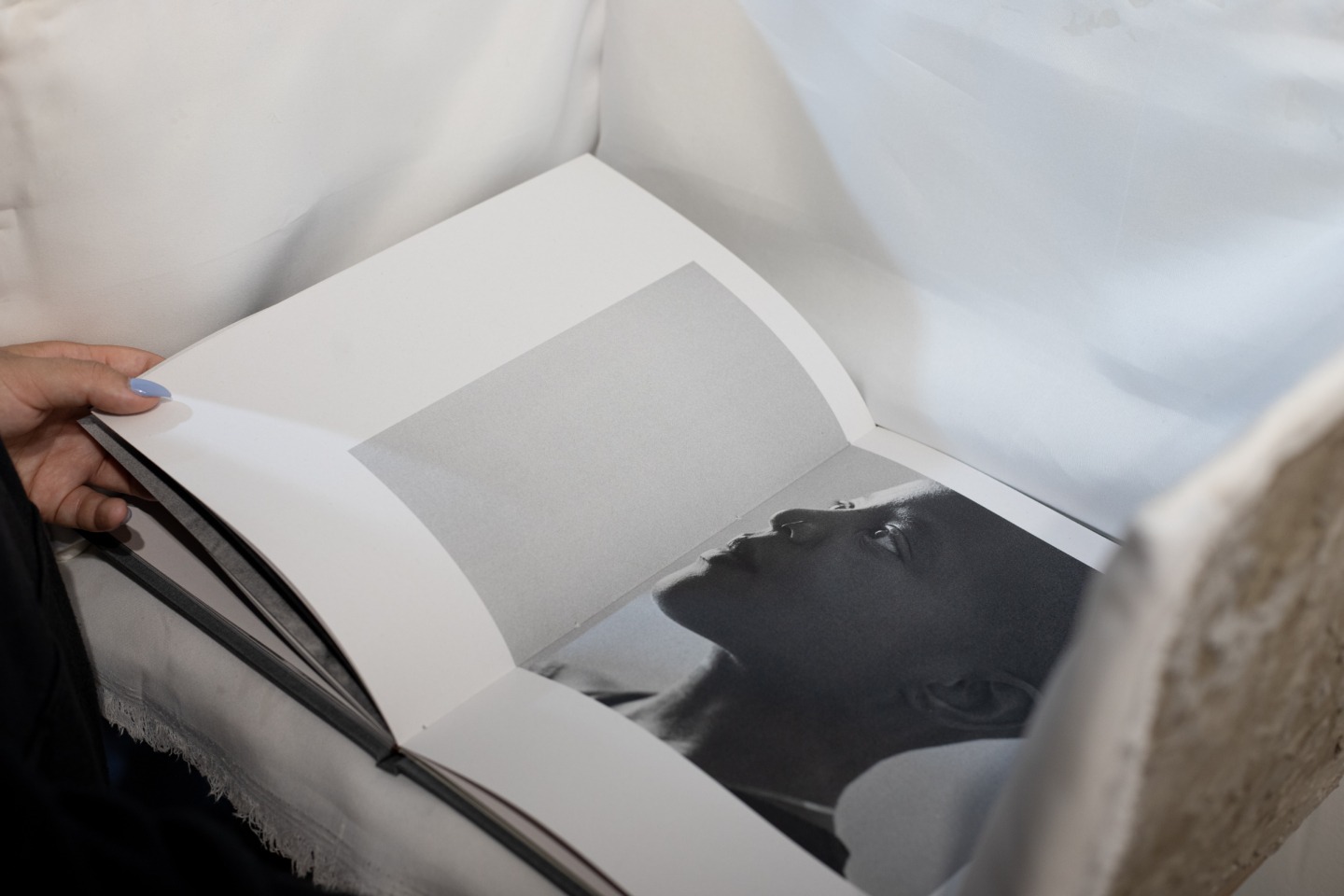
This unit aims to develop students’ understanding of visual narratives, specifically the photobook. Through practical experimentation, students will work with pictorial narrative. It is expected that students will learn to recognize the photographer’s discursive strategies and how these influence the observer’s experience.
Having acquired the basic skills, students will carry out an individual project, practicing the necessary tools to develop their personal practice independently. The ability to define and carry out a project is extremely valuable in the creative industries. Throughout this unit, students will learn to recognize obstacles and overcome the difficulties that arise in the different stages that mark the development of an individual project.
This laboratory seeks to unify connections within the community. It is a meeting point and an exchange space dedicated to creativity, where interdisciplinary practices are explored both inside and outside the school environment. Communication is central to this process. The lab aims to identify and mobilize trends, experiment with new ways of thinking and conceptualizing, and facilitate synergies among students – a true learning tool.
Our courses share content and present challenges with an international perspective. We prepare and support our students with best practices in mind, regardless of geography or nationality. For this reason, knowing English is a fundamental tool for breaking down barriers: gaining access to more references, discovering more professional contexts, and developing a portfolio aligned with the best work being produced, without borders.
This unit addresses techniques of video capture, post-production, and editing. It aims to develop students’ skills in planning, preparation, recording, and editing short videos on a suggested theme. The course also provides a contextualization of video and cinema, including the analysis of works by different authors
This course covers Photography applied to fashion: the student must understand contextual influences and be able to present and define a creative strategy for a fashion photo shoot,and should be able to put it into practice. Regarding Photography applied to advertising, the student will acquire the skills needed to create an advertising campaign with a solid concept and strong visual impact.
Students develop an individual approach to artistic practice through alternative analogue processes. The work emerges from slow creation and printing methods, using various techniques such as anthotype, cyanotype, luminograms, salted paper, collodion, gum dichromate, among other processes—allowing experimentation to lead the creative process.
Students are invited to explore other artistic disciplines and the different ways in which they relate to photographic practice. The explored path may range from ephemeral art to painting, including performance, installation, drawing, and sculpture.
The objective of this unit is to provide contact with the human and technical resources necessary for good professional practice. The course covers new technologies and portfolio promotion, as well as marketing strategies and career development.
The student will develop an authorial photographic project and will be provided with the necessary tools to create a plan that includes the human and technical resources required for its successful execution, based on a given theme. This course is closely linked to the Masterclasses, which will feature several guests: photographers, visual artists, and specialists from various areas of photography. Each professional will share their working process and artistic practice with the audience.
The objective is to prepare students for the project-driven dynamics of the creative industries, encourage teamwork, promote interdisciplinarity, foster a sense of responsibility and goal achievement, and also develop personal presentation and self-promotion skills. In this way, the school environment is brought closer to the reality of the professional world and its demands.
CERTIFICATION
At the end of the second year, students receive the Pearson BTEC Level 5 Professional Certification (240 CATS*).
Certification follows the British education system; ETIC is not a higher education institution.
*CATS: Credit Accreditation Transfer System
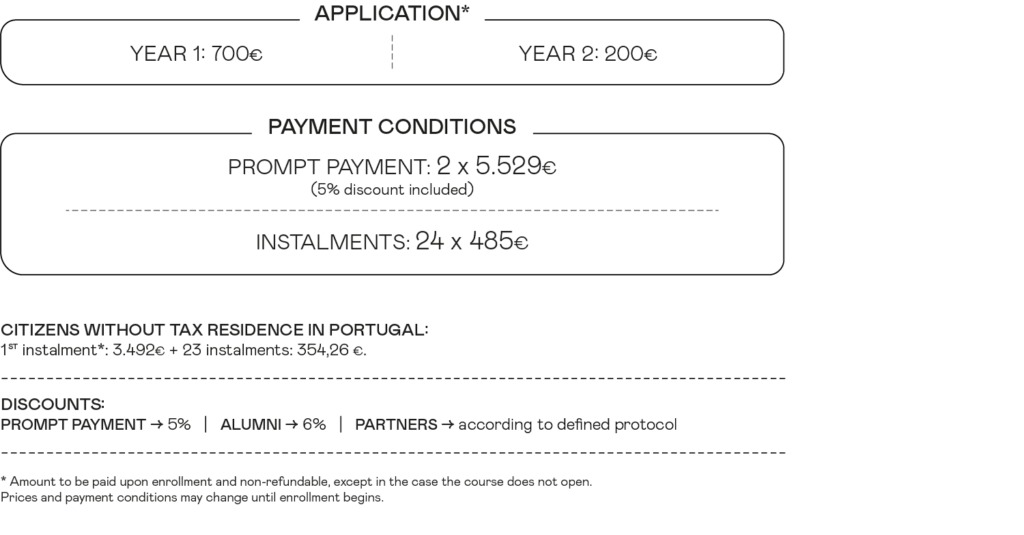
Several banks offer financing programmes to support training and education: Caixa Geral de Depósitos, Santander, Banco CTT, BPI, among others.
TEACHING STAFF
ANA CARIA PEREIRA
Tutor
ANA CARIA PEREIRA
Bachelor’s degree in Art and Communication from ESAP. Master’s degree in Cultural Programming, Art and Social Intervention from UFP. Senior Photography Technician at FBAUL and lecturer of Advanced Laboratory in the Postgraduate Programme in Contemporary Photography Discourses at FBAUL.
SOFIA MATEUS
ALEXANDRE MAGALHÃES
FÁBIO CUNHA
ANA CARIA PEREIRA
PETKO ANGELOV
JOSÉ FABIÃO
JOSÉ SOUDO
MARTA SIMÕES
PAULA LOURENÇO
PAULIANA VALENTE PIMENTEL
PAULO PETRONILHO
MÁRIO PRÍNCIPE
TIAGO CASANOVA
DANIEL VINTÉM
FÁBIO ROQUE
CAREER PATHS
- Advertising, fashion, documentary, and event photographer.
- Image editor and photography printer.
- Photographer working with advertising agencies, communication and media companies, newspapers, magazines, production companies, and digital platforms.
ERASMUS+ & INTERNSHIPS
At the end of the programme, and subject to academic performance, students may apply for:
- an international internship through the Erasmus+ Programme;
- a national/international internship or job opportunities for industry placements with partner companies;
Applications are submitted through the Professional Integration Department (estagios@etic.pt).
ETIC provides a digital platform to communicate job offers and employment opportunities from partner companies.
FACILITIES
ETIC is a school equipped with state-of-the-art technology, tailored to meet the specific demands of each area of study and industry.
- Photography studios equipped with continuous light and electronic flash;
- DSLR and analogue cameras. Medium and large format equipment;
- Analogue and digital laboratory;
- Large format printing and scanning equipment;
- Video and Multimedia Studio, cyclorama and virtual scenery and motion capture system;
- Rooms equipped with individual workstations, iMac and PC.
APPLICATION
The programme is delivered in English. Recommended english entry level: B1*
Requirements
– Submit a motivation letter, outlining reasons for applying and professional goals;
– Submit portfolio or showreel;
– Attend an interview.
How do I start my application?
– Fill in the form by clicking the APPLY button.
– You will receive an email with dates options for your interview.
*According to CEFR Levels. If you would like to take a free online test , please click English Test
TUITION FEES
Several banks offer financing programmes to support training and education: Caixa Geral de Depósitos, Santander, Banco CTT, BPI, among others.
TERMS AND CONDITIONS
The opening of each course, class or timetable is subject to a minimum number of enrolments. Enrolment in a specific timetable is limited to the number of available places. Teaching is on-campus and project-based. The course programme includes sessions without a tutor, dedicated to the development of independent exercises and project work. Independent and project-based work is essential to students’ learning progress. Tutors may require students to complete assignments outside scheduled class hours.
Occasionally, classes may be scheduled outside the regular timetable, for example to accommodate projects that require greater flexibility, specific equipment needs, real-world exercises developed with partners, or any other reason that supports the effective delivery of the programme.
Specific technical classes and/or workshops may take place on Saturdays.
The duration of each class may vary depending on whether it is theoretical or practical in nature.
Classes may be divided into smaller groups to enhance learning and intensify the development of projects and course content.
The curriculum and teaching staff may be subject to change for pedagogical reasons or due to circumstances beyond the school’s control.
For further information, please contact us.
The Photography International Certification course at ETIC is a 2-year professional programme designed to train photographers with strong technical, artistic and conceptual skills, aligned with international industry standards.
It combines analogue and digital photography, studio and outdoor practice, and critical thinking, allowing students to explore photography as creative expression, visual storytelling and professional practice. Throughout the course, students work across areas such as photojournalism, documentary, fashion, advertising, video and experimental photography, while developing a distinctive personal visual language.
The Photography International Certification course at ETIC is designed for aspiring photographers and visual creators who want to build a professional career in photography, combining technical mastery with creative and conceptual development.
Key skills developed include:
- Technical photography skills: camera operation (digital and analogue), studio and outdoor shooting, lighting techniques, exposure control, and equipment selection
- Visual storytelling & narrative thinking: building coherent photographic series, documentary narratives, photobooks and authorial projects
Image post-production: digital workflow, editing, retouching, colour correction and preparation for print and digital platforms - Printing & alternative processes: traditional and experimental printing techniques such as cyanotype, collodion and other historical and contemporary methods
- Conceptual & critical thinking: understanding photographic history, ethics, visual culture and the social, cultural and artistic context of images
- Creative experimentation: exploring fashion, advertising, experimental and interdisciplinary photographic practices
Video & multimedia skills: basic video capture, editing and audiovisual storytelling
Students are prepared for a range of photographic and visual media careers, including:
- Professional Photographer — specialising in advertising, fashion, editorial and commercial photography
- Documentary & Photojournalism Photographer — capturing social, cultural and news-oriented imagery
- Event & Concert Photographer — working at festivals, live events, cultural and corporate functions
- Portrait and Lifestyle Photographer — producing high-quality visual content for individual and brand clients
As an international videogame art and animation programme, English is used across all classes; projects and professional activities are set to prepare students for global studios, international collaboration and portfolio presentation for the worldwide videogame industry.