PORTFOLIO
Overview
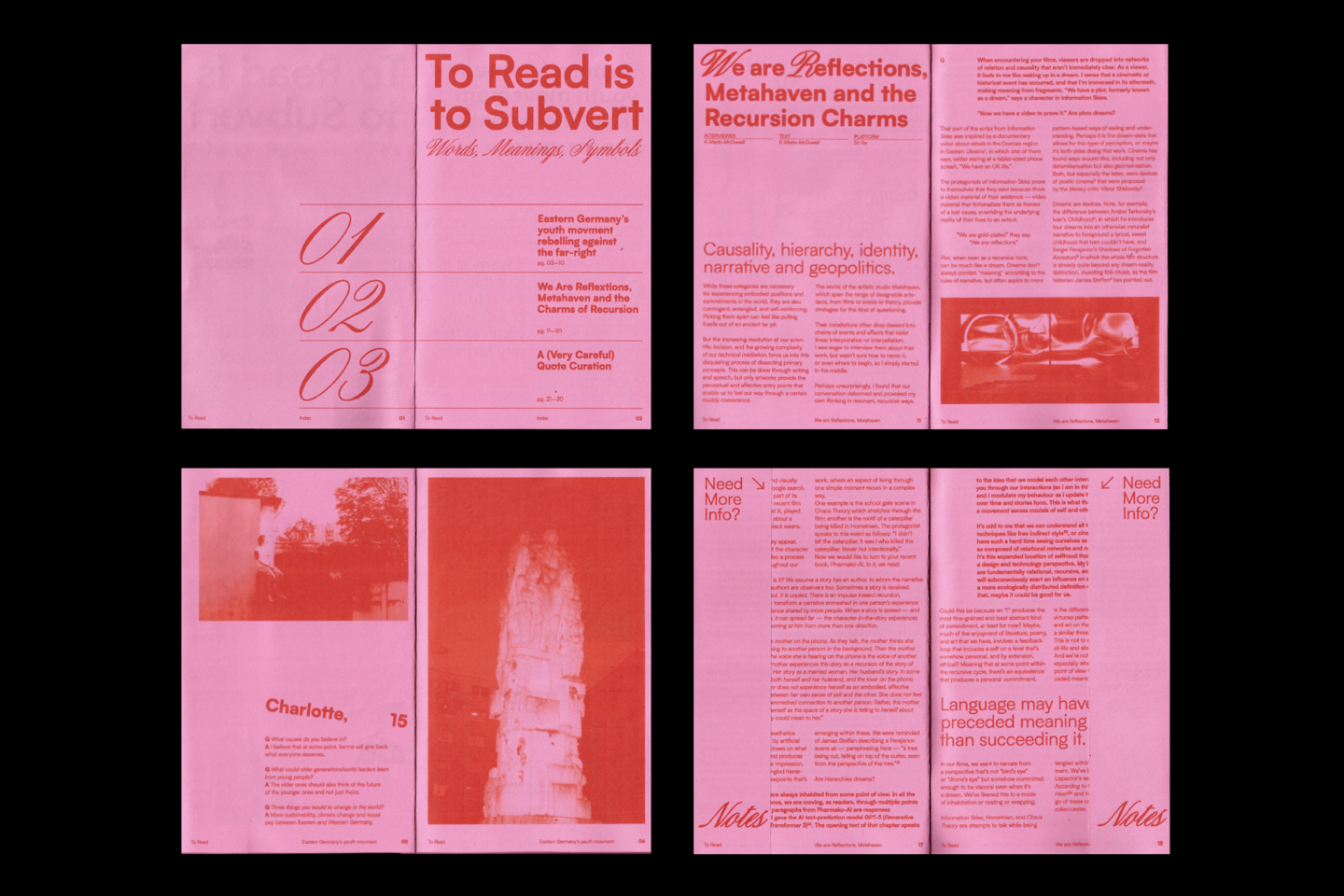
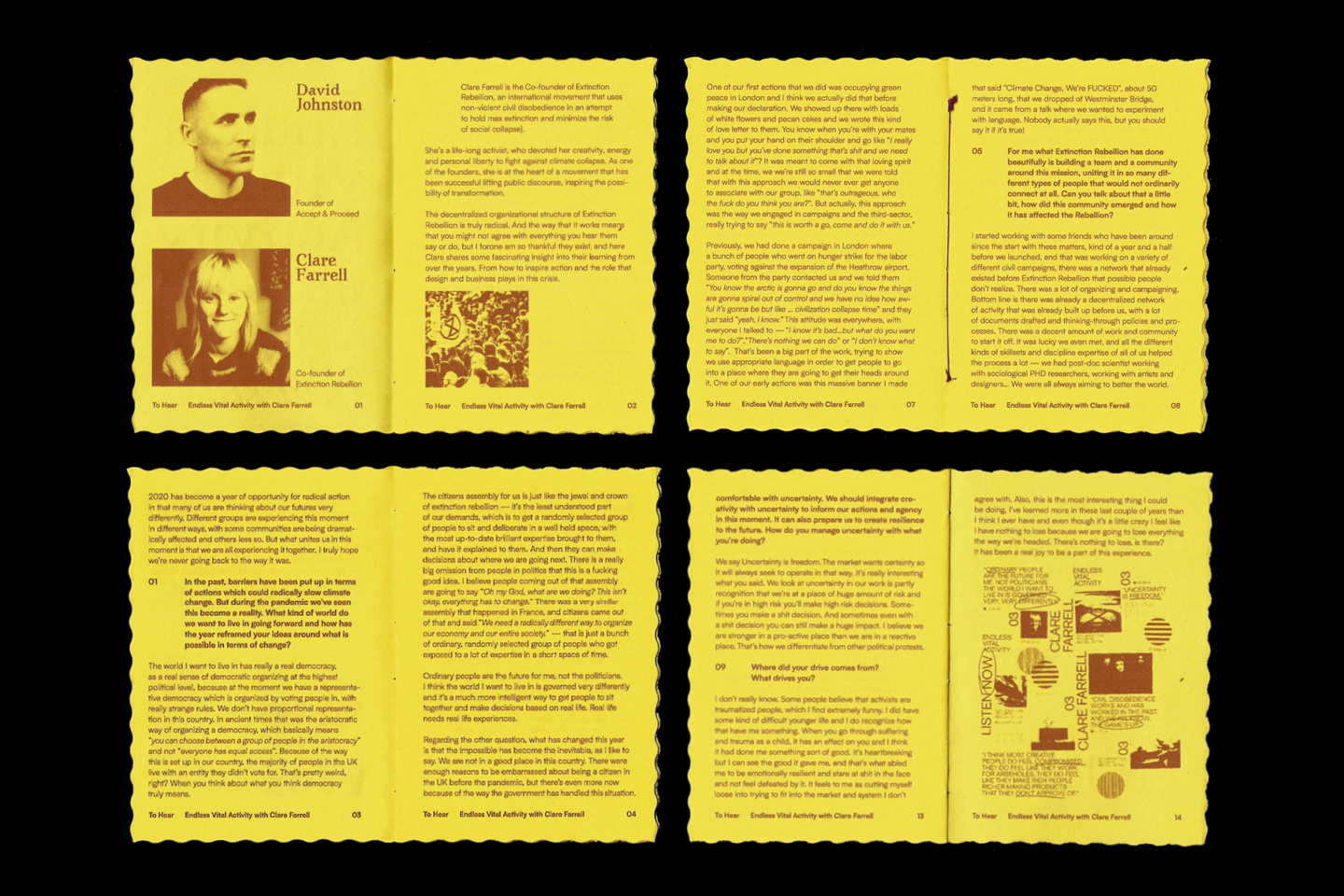
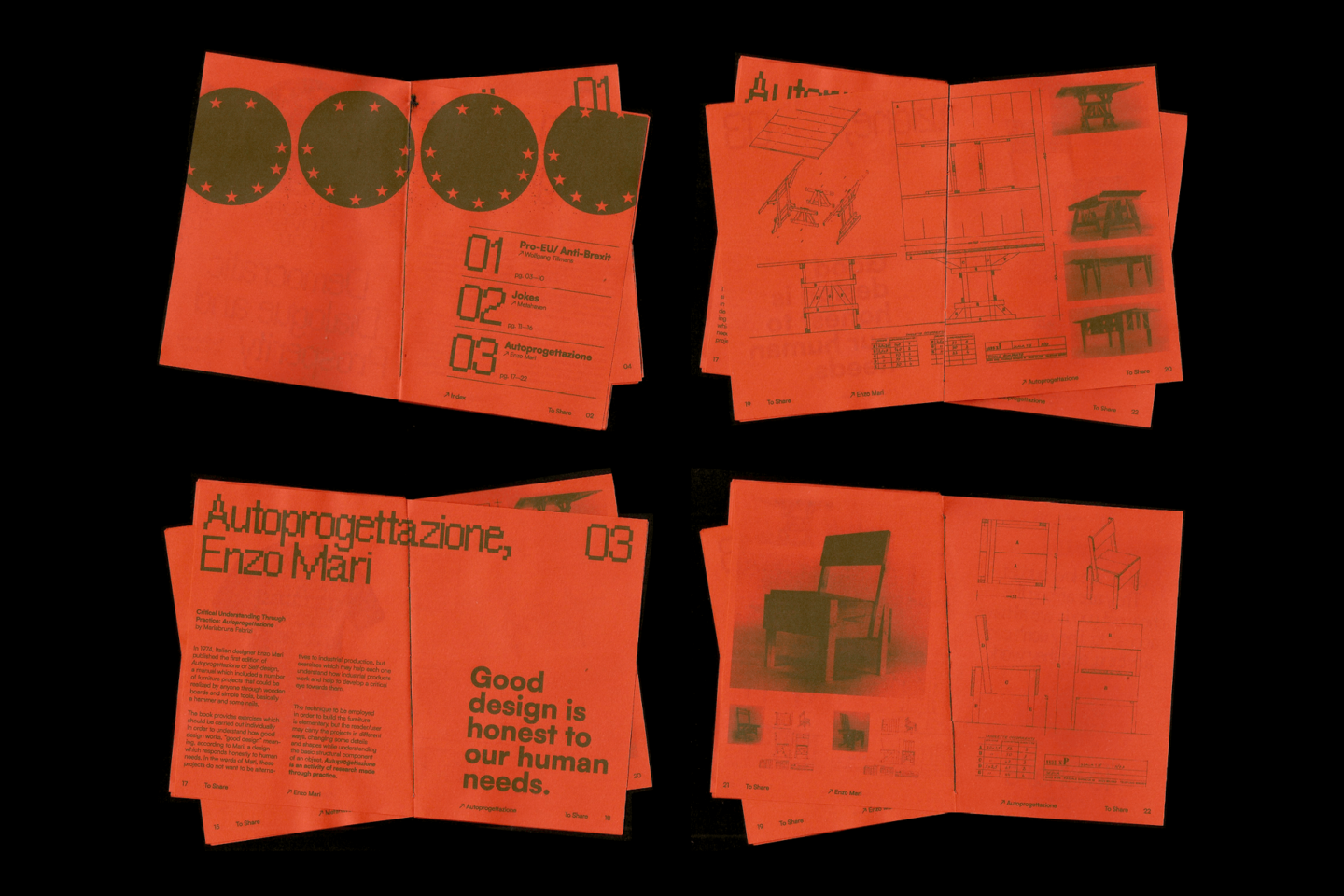
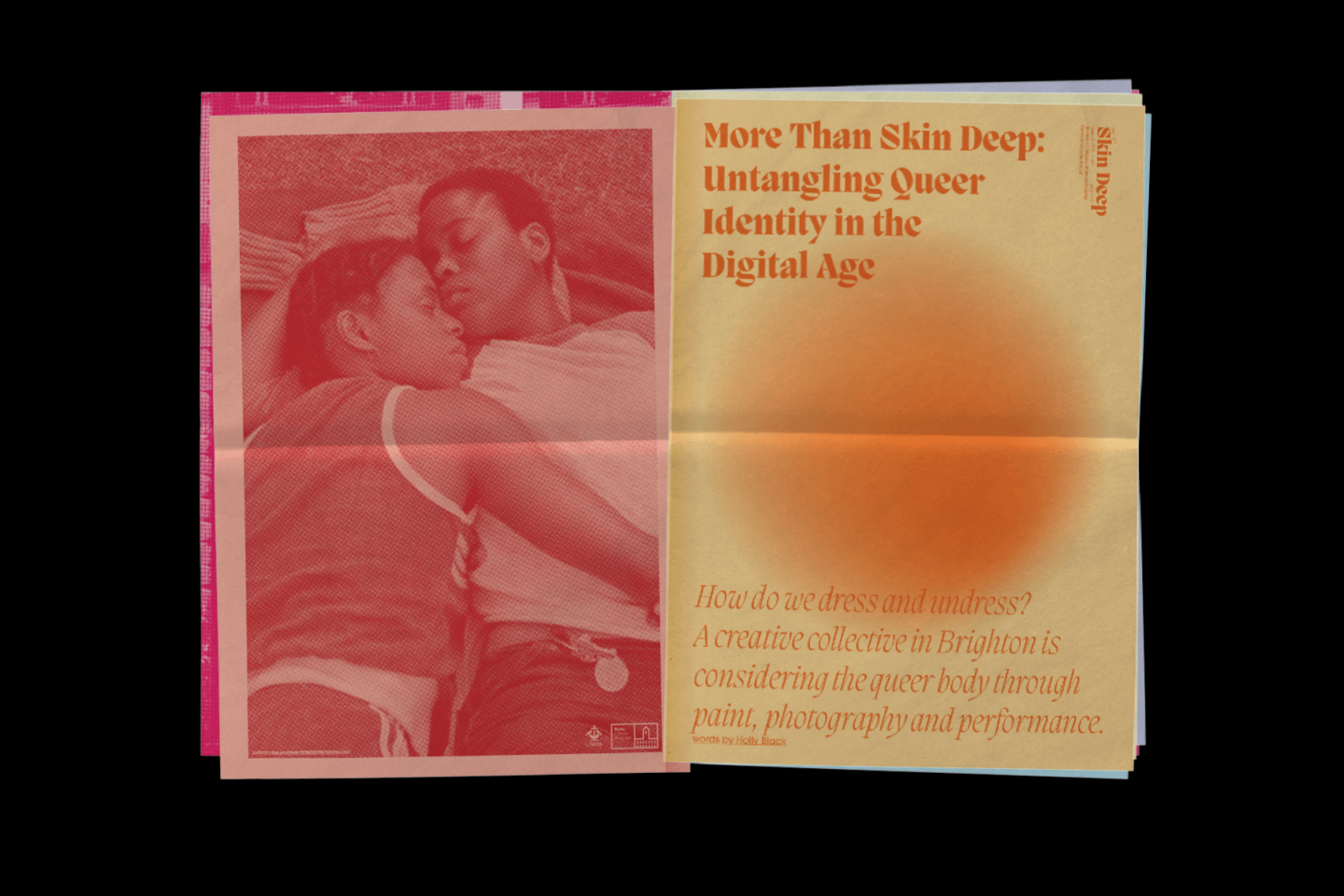
Digital media enables the rapid dissemination and implementation of messages, making it essential to understand design practice as a discipline capable of generating new discourses and meanings. Design is a key tool for reflection and communication.
Throughout the Graphic Design and Multimedia course, students develop their creative profile and build a professional portfolio designed for the international job market. With a strong practical focus, the programme challenges students to define their own authorial language across cultural, social and commercial contexts, bridging traditional design practice with emerging formats and communication platforms. Students engage with current professional realities by developing integrated communication projects for events or organisations, while creating innovative strategies to position and shape their professional profile.
LEARNING METHODOLOGY
The School’s teaching is based on a project-based learning (PBL) approach, delivered in small classes of up to 18 students, ensuring close student-teacher interaction. Students learn by seeking solutions to real-world challenges, often working in teams, fostering their creative, critical, and personal development.
TEACHERS
The teaching staff is composed of active industry professionals, and students are encouraged to participate regularly in workshops, conferences, and study visits to enhance their knowledge and gain exposure to real-world professional environments.
Programme
This unit provides comprehensive proficiency in the technologies relevant to design practice. Its goal is to equip students with practical skills in image-editing software, vector drawing, and editorial design, while also introducing perspectives on the latest trends and technological innovations in the field of design.
Creative skills and technical abilities that support design practice are essential for shaping a strong personal approach, developing ideas, and executing projects. This unit aims to establish the foundation for the future growth of each student’s individual practice. It focuses on developing the skills needed to communicate ideas through specialized applications, always with a client or specific purpose in mind.
The ability to communicate visually is a fundamental skill across all specialized fields within the creative industries. In this unit, students will explore concepts, materials, and techniques through experimentation, gaining knowledge and understanding of the key issues surrounding the purposes and processes of Design.
This unit aims to deepen the understanding of the social, cultural, historical, and commercial factors that underpin the theory and practice of the visual arts, transforming knowledge into relevant and meaningful insight. Students are encouraged to explore and develop ideas while becoming familiar with essential methodologies involved in creative processes.
This unit focuses on developing students’ understanding and skills in typography and its application in both print and digital work. Throughout the unit, students explore typographic practice across various formats and study typographic technologies and processes in specific contexts.
The development of new technologies and digital manipulation has changed the way we process images. Although photographic practice has evolved throughout history, certain techniques and processes remain essential for supporting the creation of visual meaning. In this unit, students will develop skills in photographic techniques, including the proper use of camera mechanisms, lens selection, light measurement (natural and artificial), and an understanding of framing and composition.
Nesta unidade o aluno deverá identificar áreas de desenvolvimento profissional, aprender a gerir o tempo de reflexão, planeamento e desenvolvimento do projeto. Deverá ser capaz de identificar tendências e indústrias criativas especializadas.
Graphic Design encompasses a wide range of practices, from illustration to corporate identity, and from packaging to digital interfaces. This unit aims to help students develop confidence in managing a graphic project and a deeper understanding of form and meaning.
Creative thinking and the ability to generate a free flow of ideas are essential skills for artists and designers. This unit develops the skills needed to generate and communicate concepts visually, giving students the opportunity to discover personal strengths and inform independent practices. Creative practice will be developed in response to a proposed project, where students are expected to apply knowledge and techniques learned in other areas of study.
This laboratory seeks to unify connections within the community. It is a meeting point and an exchange space dedicated to creativity, where interdisciplinary practices are explored both inside and outside the school environment. Communication is central to this process. The lab aims to identify and mobilize trends, experiment with new ways of thinking and conceptualizing, and facilitate synergies among students – a true learning tool.
Our courses share content and present challenges with an international perspective. We prepare and support our students with best practices in mind, regardless of geography or nationality. For this reason, knowing English is a fundamental tool for breaking down barriers: gaining access to more references, discovering more professional contexts, and developing a portfolio aligned with the best work being produced, without borders.
This unit aims to provide students with comprehensive proficiency in new technologies used in design practice. Its goal is to equip students with practical skills in video editing, motion design, 3D, and UI & UX software.
In this unit, students are expected to understand the concepts of brand and identity and their impact on the commercial market. They will identify the social and cultural nature underlying the visual configuration of brands and products, developing graphic design skills for their commercial projection.
In this unit, students will develop skills in planning, preparing, and producing moving images, creating a project in response to a brief, and using industry-standard equipment, processes, and software.
This unit involves the development of an interdisciplinary project, the exploration of collaborative practice, and engagement with the community (industry, cultural organizations, community groups, non-governmental organizations, among others). Students will define, plan, and implement a project following the procedures of design practice.
In this unit, students study and develop diverse design practices, including project methodology, defining their own creative approach, understanding communication objectives, and exploring the relationship between the designer, the client, and the target audience.
The goal of this unit is to broaden students’ knowledge of professional practices in their area of specialization, relating them to personal objectives and career opportunities.
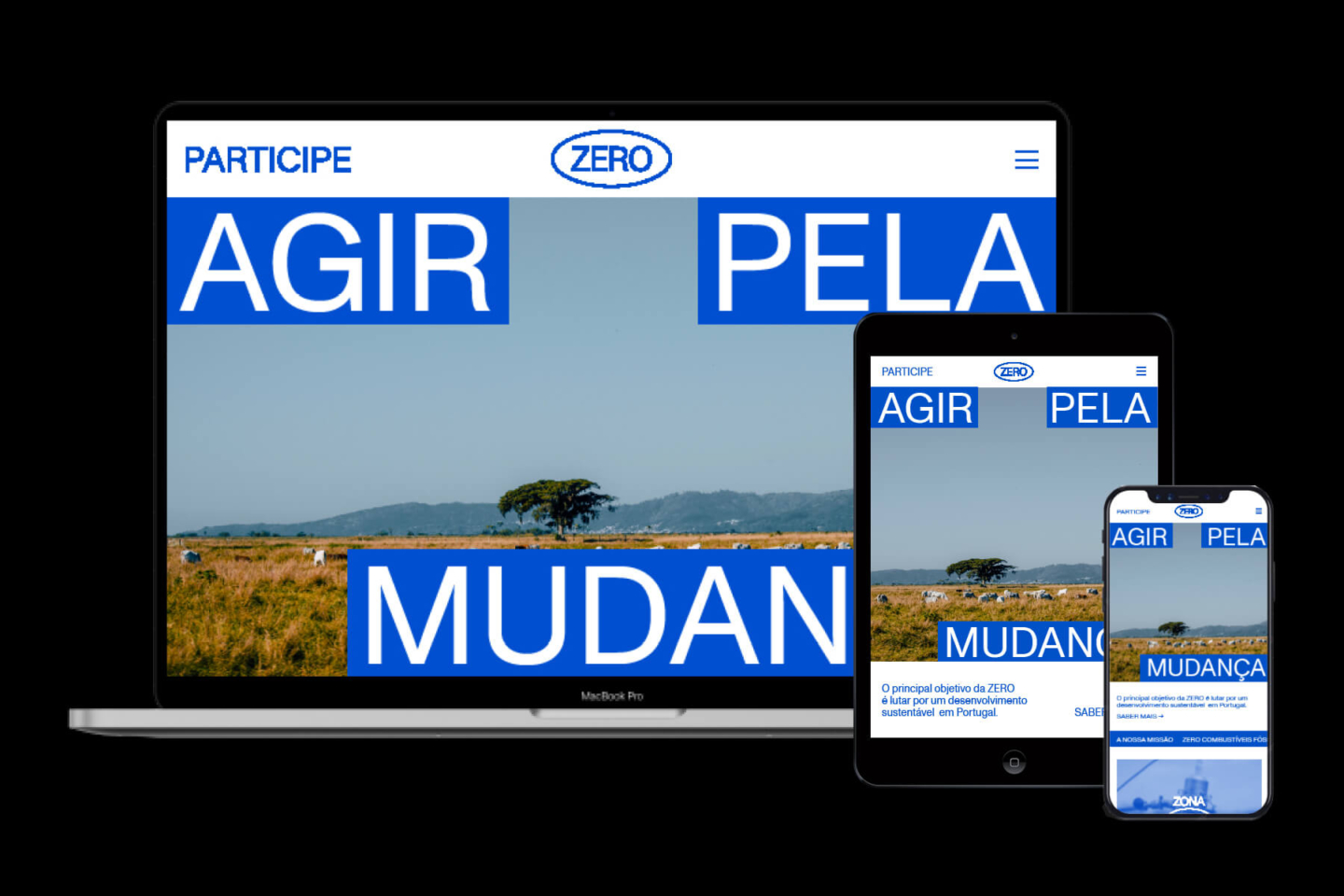
This unit provides a comprehensive introduction to the fundamental principles and practices of web design. Students will acquire skills and knowledge in creating and managing websites, explore the principles of UI, and gain proficiency in HTML, CSS, and JavaScript.
The objective is to prepare students for the project-driven dynamics of the creative industries, encourage teamwork, promote interdisciplinarity, foster a sense of responsibility and goal achievement, and also develop personal presentation and self-promotion skills. In this way, the school environment is brought closer to the reality of the professional world and its demands.
CERTIFICATION
At the end of the second year, students receive the Pearson BTEC Level 5 Professional Certification (240 CATS*).
Certification follows the British education system; ETIC is not a higher education institution.
*CATS: Credit Accreditation Transfer System
TEACHING SATFF
JOANA AREAL
VERA NOVAIS
SOFIA MATEUS
JOANA AREAL
PAULO FREITAS
ANA FREITAS
ISABEL LUCENA
MARIANA VELOSO
MARGARIDA BORGES
MARGARIDA REGO
RICARDO MARTINS
JOSÉ MENDES
JOÃO SILVA
FÁBIO CUNHA
CLAÚDIA LANCASTER
RICARDO TOUREIRO
LISA MOURA
SARA ORSI
Maria Chimeno
MARTA FERREIRA
CAREER PATHS
- Design studios and advertising agencies;
- Design and/or communication departments of companies and institutions;
- Creating and managing your own business and/or working as a freelance designer.
ERASMUS+ & INTERNSHIPS
At the end of the programme, and subject to academic performance, students may apply for:
- an international internship through the Erasmus+ Programme;
- a national/international internship or job opportunities for industry placements with partner companies;
Applications are submitted through the Professional Integration Department (estagios@etic.pt).
ETIC provides a digital platform to communicate job offers and employment opportunities from partner companies.
FACILITIES
ETIC is a school equipped with state-of-the-art technology, tailored to meet the specific demands of each area of study and industry:
- Classrooms equipped with 18 individual MAC workstations.
- Software used includes Adobe Photoshop, Adobe Illustrator, Adobe InDesign, Adobe After Effects, Blender, Figma and Visual Studio Code.
- Microsoft Office suite, Miro and Slack.
- Photography studios.
APPLICATION
The programme is delivered in English. Recommended english entry level: B1*
Requirements
– Submit a motivation letter, outlining reasons for applying and professional goals;
– Submit portfolio or showreel;
– Attend an interview.
How do I start my application?
– Fill in the form by clicking the APPLY button.
– You will receive an email with dates options for your interview.
*According to CEFR Levels. If you would like to take a free online test , please click English Test.
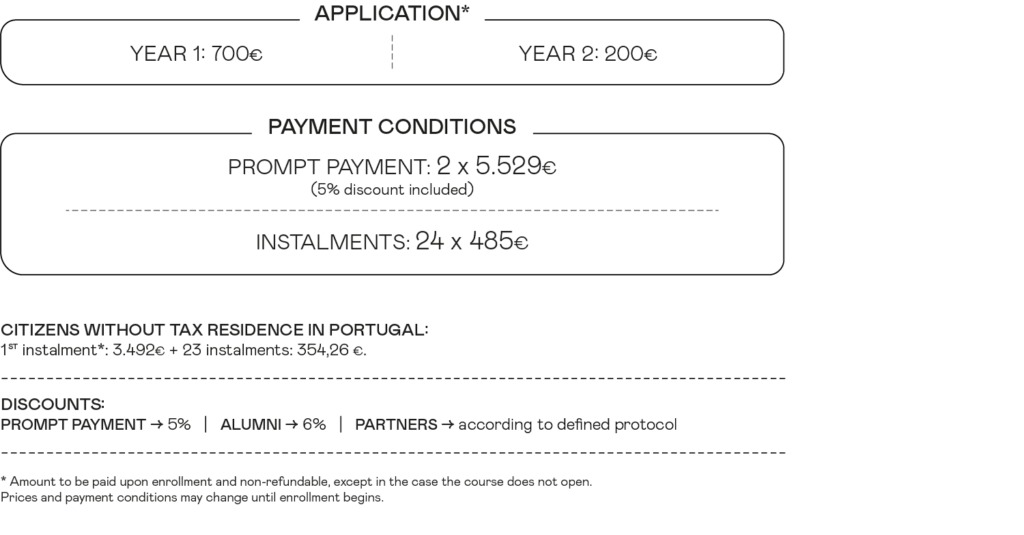
TUITION FEES
Several banks offer financing programmes to support training and education: Caixa Geral de Depósitos, Santander, Banco CTT, BPI, among others.
TERMS AND CONDITIONS
The opening of each course, class or timetable is subject to a minimum number of enrolments. Enrolment in a specific timetable is limited to the number of available places. Teaching is on-campus and project-based. The course programme includes sessions without a tutor, dedicated to the development of independent exercises and project work. Independent and project-based work is essential to students’ learning progress. Tutors may require students to complete assignments outside scheduled class hours.
Occasionally, classes may be scheduled outside the regular timetable, for example to accommodate projects that require greater flexibility, specific equipment needs, real-world exercises developed with partners, or any other reason that supports the effective delivery of the programme.
Specific technical classes and/or workshops may take place on Saturdays.
The duration of each class may vary depending on whether it is theoretical or practical in nature.
Classes may be divided into smaller groups to enhance learning and intensify the development of projects and course content.
The curriculum and teaching staff may be subject to change for pedagogical reasons or due to circumstances beyond the school’s control.
For further information, please contact us.
The Graphic Design and Multimedia course focuses on developing strong visual communication and graphic design skills, combining conceptual thinking, creative exploration and technical proficiency across print, digital, motion and web design, while preparing students for professional practice in the contemporary creative industries.
This course is designed for aspiring graphic and communication designers who want to develop a strong foundation in visual communication, design technologies and creative problem-solving. It is ideal for students seeking to combine conceptual thinking with technical skills, working across print, digital, motion and interactive design contexts.
Students work with industry standard tools such as Adobe Creative Cloud, Blender, Figma, Visual Studio Code and professional photography equipment.
The course starts from foundational principles and develops progressively. The level of complexity increases gradually, ensuring that students develop skills, confidence and autonomy while being supported by close mentoring and guided project development.
Students may work in design studios and advertising agencies, communication departments of companies and institutions, or create and manage their own business as freelance designers.
As an international Graphic Design and Multimedia programme, English is used across all classes; projects and professional activities are set to prepare students for global studios, international collaboration and portfolio presentation for the worldwide videogame industry.
Upon successful completion of the second year, students are awarded a BTEC Higher National Diploma, Level 5, carrying a total of 240 CATS credits*.
ETIC has been a Pearson BTEC Accredited Centre (Business and Technology Education Council) since 2016. The programmes have a duration of two years and are internationally recognised, enabling direct entry into the labour market as well as progression to further studies.
The programmes are assigned a qualification level by Ofqual (Office of Qualifications and Examinations Regulation) under the Regulated Qualifications Framework (RQF), which forms part of the UK qualifications system.
*CATS: Credit Accumulation and Transfer Scheme.