OVERVIEW
It is a year of study progression for students who have finished 2 year courses in Design and Multimedia area / Pearson BTEC international certification, and also for other students whose equivalence can be granted. Certified competence in the English language is required.
The course offers an effective combination of research, critical analysis, design and professional practice, and allows the improvement and knowledge of methodologies necessary for an international career.
GUIDANCE FOR AN INTERNATIONAL CAREER
The student deepens knowledge and skills, both technical and creative, to obtain the necessary preparation for an international career and develop a successful activity in the Graphic Design industry.
GLOBAL VISIBILITY FOR YOUR PROJECTS
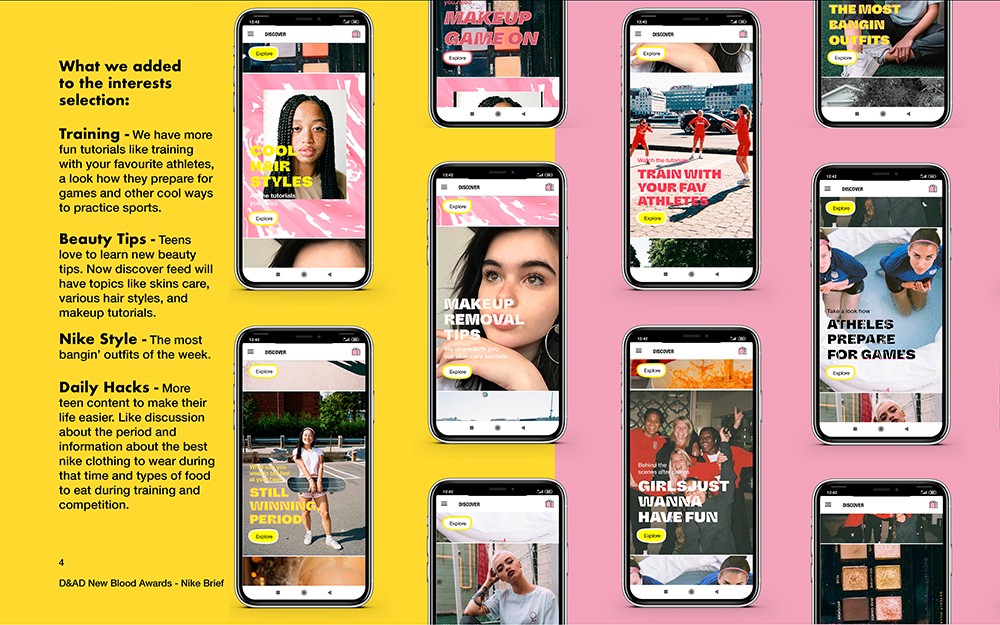
The student has support and guidance to submit his best work to international competitions, allowing greater visibility for his projects. Several 3rd year students were successful and, among the various awards received, the Design and Art Direction (D&AD) Awards stands out, one of the most renowned competitions in the creative industries.
A CREATIVE ENVIRONMENT LINKED TO THE INDUSTRY
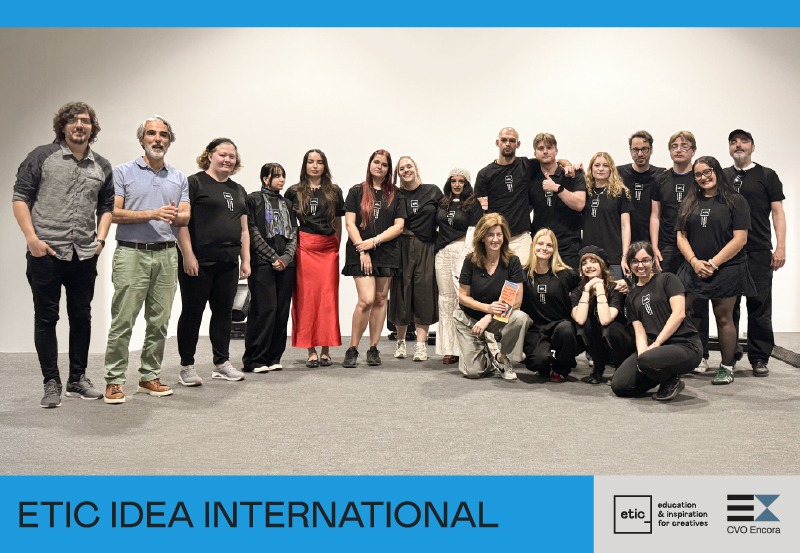
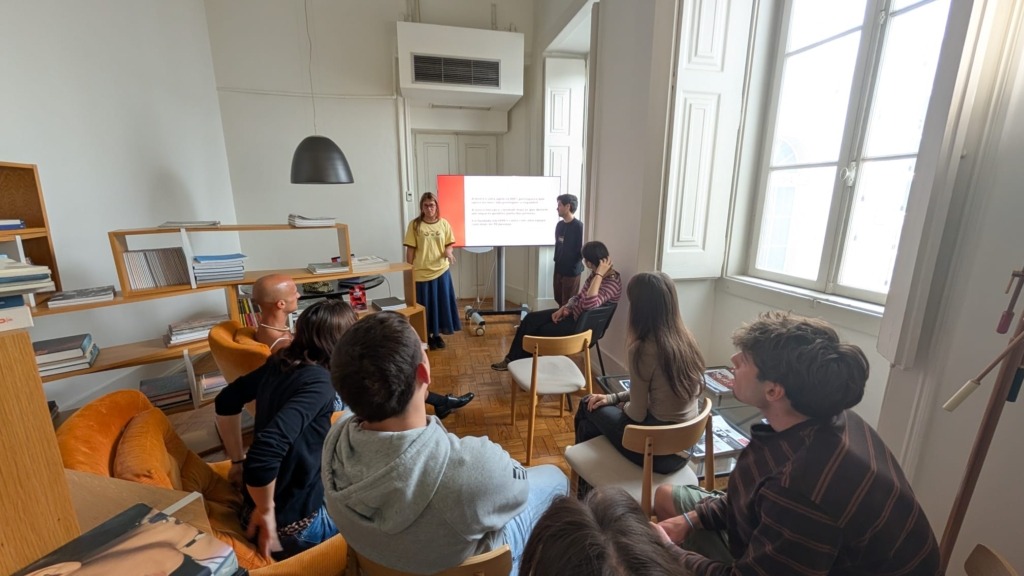
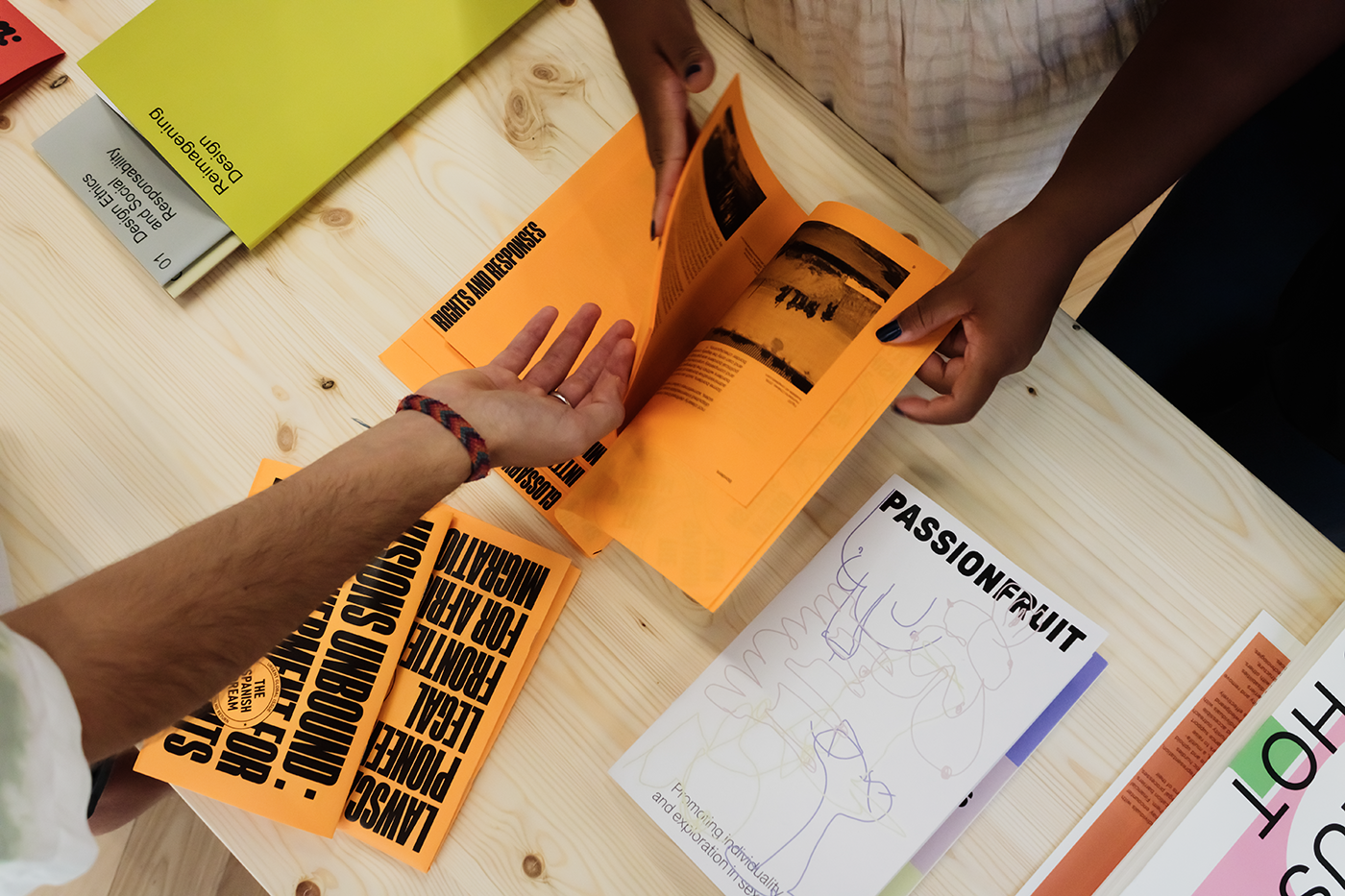
ETIC is also recognized for its creative environment and the proximity between students, teachers and staff. There is a close connection with the professional environment that results in partnerships with companies and institutions. Real briefings and creative challenges with professional positioning are part of the curricular projects. The school regularly promotes the possibility for students to participate in events and festivals where they practice, side by side, with the school team and sometimes with experienced professionals and mentors.
PROGRAMME
Requirements: 240 CATS and English Level B2
Students from other schools whose equivalence can be granted can also enter and attend this 3rd year.
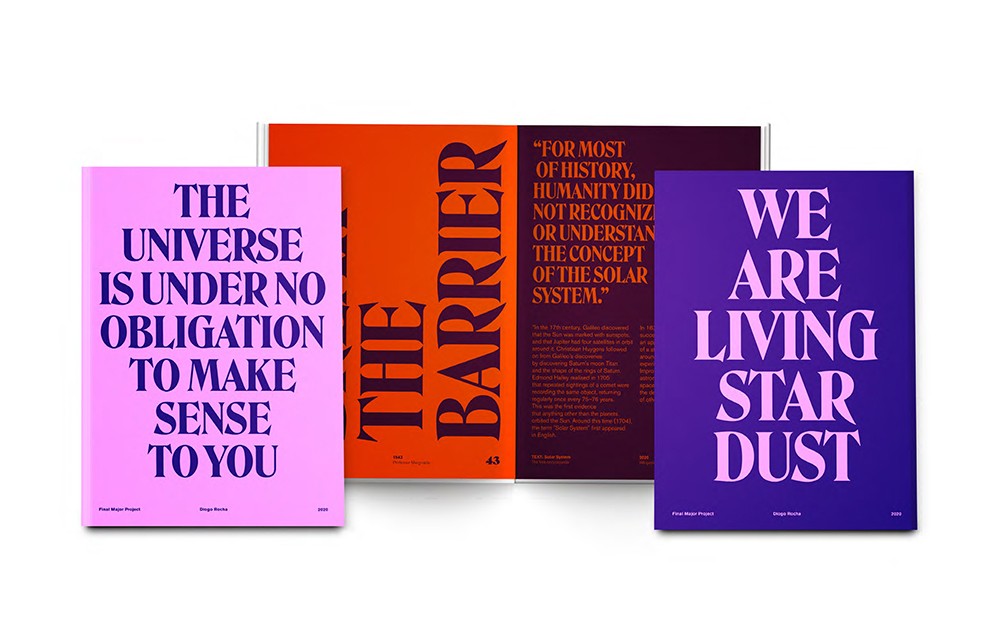
This module leads directly into your Final Major Project. In order to approach your project with confidence you need to identify a concise question or topic and ensure that you have researched in depth the area in which that question or topic lies.
For the first part of this module outcome, the Visual Research, you will undertake in depth research into an area or topic that you wish to focus on for your Final Major Project. The undertaking of secondary research (both visual and written into the chosen area) and primary research, the exploration of visual communication methods and practices, including visual testing and experimentation will come together to inform your ideas for the Final Major Project module.
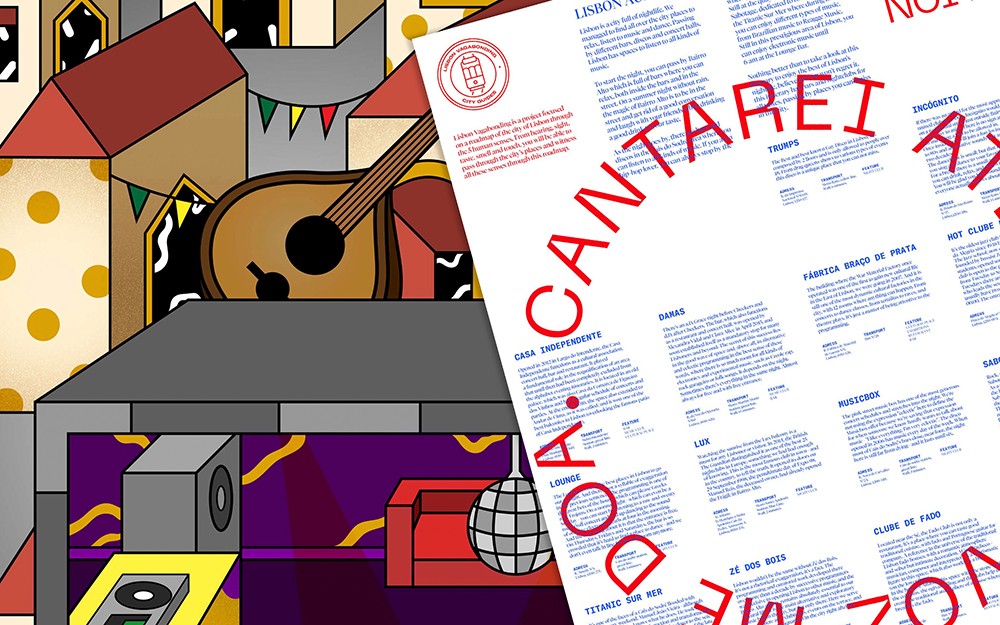
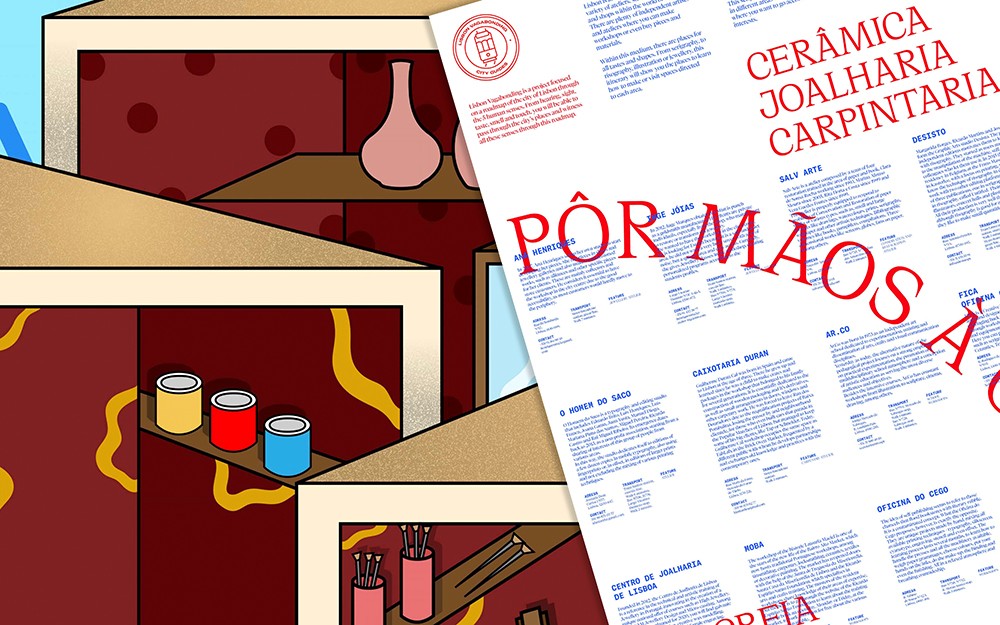
This module concentrates on exposing you to the professional aspects of visual communication. It is designed to include involvement in live projects and international competitions. It should be seen as an opportunity to work to professional standards and more industry-based deadlines. Evaluation and critical analysis of project briefs is an important part of the module as are structuring, planning, timetabling, deadline management, budgeting and client relations.
Identity Design is the cornerstone of all Graphic Design – in the sense that juxtaposition of image/typography attached to a project/subject will provide its audience with a unique visual connection through means of proximity, replication & distribution. In many ways Identity Design is Graphic Design and vice-versa. In this module, you are asked to consider both the wider meaning of identification and how to make an individual response to the subject by selecting the type of project you prefer to develop.
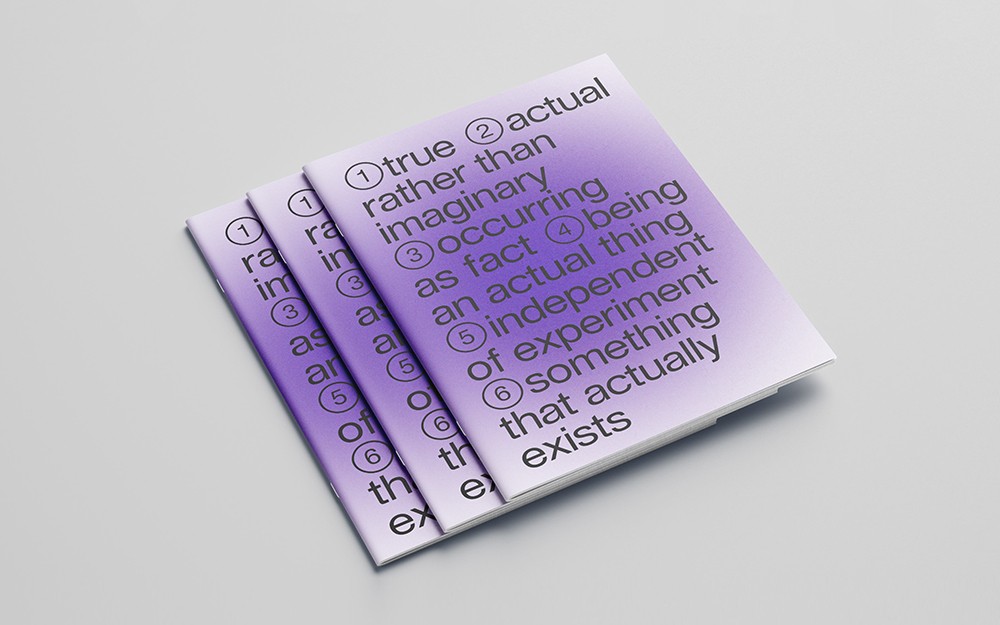
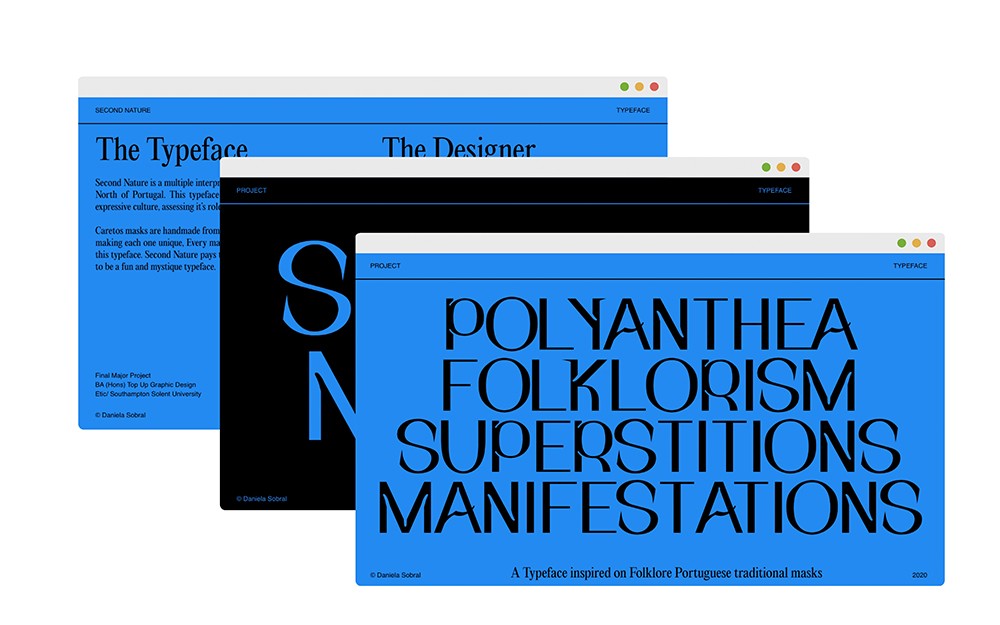
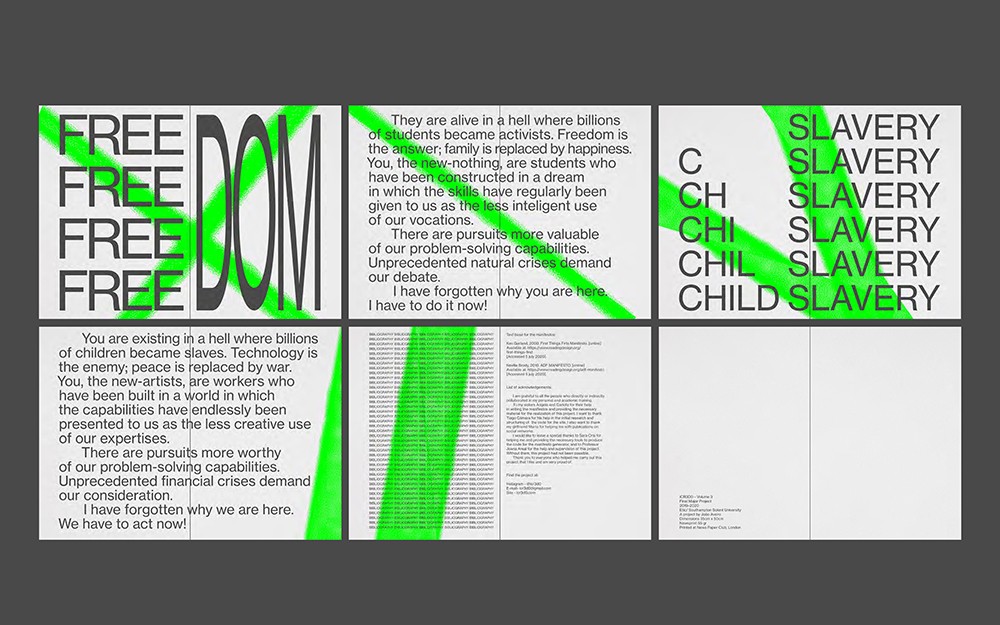
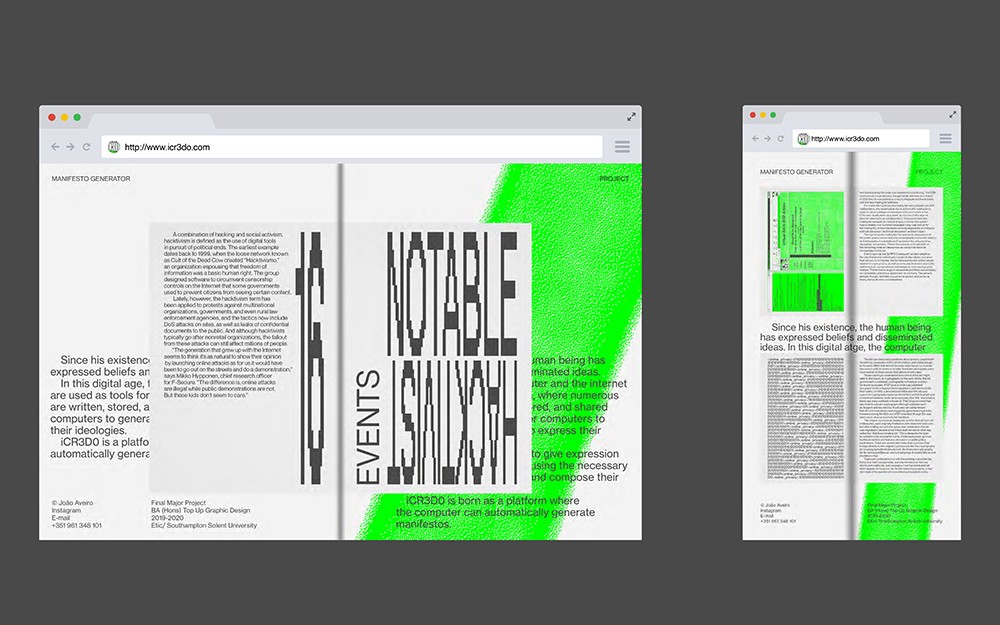
Starting in the previous module (Visual Research and Proposal), the Final Major Project provides an opportunity to pursue independent lines of enquiry over an extended time frame. It is also the platform on which you can expand your visual communication skills and develop an appropriate graphic language for your selected subject and outcome. This project forms a major part of your exit portfolio and should provide a range of graphic design strategies to help display your knowledge and abilities. You will be expected to use this project as a mechanism to experiment, explore and develop an advanced visual language appropriate to your area of study, to further enhance your ability to critically reflect on the outcomes of your experiments.
On your course you have acquired a great many skills, many of which will be directly linked to your practice whilst others will be of a transferable nature, those that could be applied to a wide range of creative occupations. And so on this module you will explore your chosen industry to research and analyze opportunities where these skills could be best used to secure a position, to begin a career in the creative sector.
CERTIFICATION
Solent University recognises the 3rd year of ETIC training and grants an equivalence corresponding to the 3rd year in the British educational system (Level 6 – 120 CATS*).
Certification obtained at ETIC is awarded by the British education system, and ETIC is not a higher education institution.
*CATS: Credit Accreditation Transfer System
TEACHING STAFF
JOANA AREAL
ETIC Course Leader and Module Leader
JOANA AREAL
Graduated in Communication Design from the Faculty of Fine Arts at the University of Lisbon with a Master’s degree in Communication Strategies and Art Direction from Elisava in Barcelona. Develops and coordinates projects in the fields of Graphic Design, Web Design, Editorial Design and Fashion. Her practice focuses on deepening the ability to communicate through various media, exploring the potential of visual narratives.
Her work has been published by several international publishers and magazines, such as Victionary, Laurence King, Rockport, Design2context, Design and Design, Sandu Publishing, Index Book, Wallpaper, Novum, NEO2, Slanted, among others.
ANA FREITAS
Module Leader
ANA FREITAS
Ana is a graphic designer and creative director with 11 years of experience, working primarily in visual identity and communication, typography, packaging and editorial design. Having graduated from the Chelsea College of Art & Design in 2007, Ana has since worked in a number of studios between London, Lisbon and Brazil. In 2013, she completed a Post Graduate degree in Anthropology – Visual Cultures at FCSH and more recently an MA in Graphic Design and Editorial Projects at FBAUP. Today she splits her time teaching at the HND Communication and Graphic Design course at ETIC and working on a number of freelance projects. Professionally, she is known for crafting the visual identities for the Portuguese Public Institute of Blood and Transplants, Casa Bernardo Sassetti and the Graduate Music School of Lisbon.
LISA MOURA
Module Leader
LISA MOURA
One might say that being born in a german/portuguese family and growing up on a farm with horses and lots of GTA playing contributed to a quite eclectic range of references. Graduated in 2011 by the Fine Arts Faculty in Lisbon in Communication Design, moved in to São Paulo, Brazil, to work for almost 3 years with Fábio Prata and Flávia Nalon at ps.2 arquitetura + design, graduated from MA Spaces and Communication at HEAD Genève in 2017 and collaborated with maat – Museum of Art, Architecture and Technology as its head designer from 2020 to 2023. A graphic designer by passion, but an alien at heart, created in 2019 the independent magazine Alien Magazine and the studio Frau im Mond, as a nod to her love for science fiction.
SARA ORSI
Module Leader
SARA ORSI
Sara Orsi is a web-designer, coder and researcher. Currently, she runs her own studio, is a PhD Student in Digital Media from FCT Nova, Lisbon and lectures at ESAD.CR and ETIC. Orsi co-founded Arquivo 237 — a cultural and educational project in Lisbon with a focus on Architecture, Design and Technology. With a background in Architecture from University of Porto, Orsi holds a master in Communication Design and New Media from the Faculty of Fine Arts of the University of Lisbon, with the dissertation From the Archive to the New.
PAULO FREITAS
Module Leader
PAULO FREITAS
Paulo is a graphic designer who lives and works in Lisbon. With particular experience in cultural projects, he has 20 years of experience working for different institutions – museums, theatres, concert halls and publishing houses. He develops projects in various areas of communication design, focusing on editorial design and visual identity. With meticulous typography, Paulo pays attention to detail in his work. He always focuses on the customer, individualising their needs and aims through dialogue and cooperation.
Paulo graduated in Communication Design at the Faculty of Fine Arts in Lisbon and began his career working for the Coyote Designers Studio (2000-2004). In 2005, he co-founded the Flatland Design Studio, where he was a graphic designer and manager until 2017. In addition to his freelance projects, he collaborates with the Ophelia Studio.
Since 2013, Paulo has taught at the ETIC – School of Innovation and Creation Technologies in Lisbon (HN-DGCM Course). He has also had the opportunity to conduct workshops and participate in conferences, such as the 6th Plaster—International Festival of Poster and Typography (Toruń, Poland).
VERA NOVAIS
Module Leader
VERA NOVAIS
Graduated in Communication Design and Master in Communication Design and New Media from the University of Fine Arts of Lisbon, Postgraduate in Cinematographic Project.
She began her professional career as a student and since then has worked as an Illustrator and Graphic and Multimedia Designer for several national and international advertising and brand agencies, among which we can highlight: Ford, Red Bull, Coca-Cola, Nike, Timex , Galo Olive Oil, Kia Motors, Danone,
Montepio General, Revista Visão, Nokia, Compal, Ice Tea, Fula, Fox Crime, Mafre Seguros, Nokia, Sagres, Super Bock, Record Tv Entertainment, Oficina do Livro, Fimfa, Malaposta, Belio Magazine, Musa Design Collective, Le Cool, Re-Searcher, Roof – Interior Design Fair Trade, Arquipélago-Arquitectos, Lda.
among others.
CAREER PATHS
- Design studios and advertising agencies;
- Design and/or communication departments of companies and institutions;
- Create and manage your own business and/or work as a freelance designer.
CONNECTION WITH BRANDS, AGENCIES AND DESIGN STUDIOS
ETIC is known for its creative environment, for its relationships with brands, agencies and design studios. All teachers come from professional backgrounds and are active in the industry, which allows the student to create a network of contacts, access to real briefings and professional opportunities.
ERASMUS+ & INTERNSHIPS
At the end of the programme, and subject to academic performance, students may apply for:
- an international internship through the Erasmus+ Programme;
- a national/international internship or job opportunities for industry placements with partner companies;
Applications are submitted through the Professional Integration Department (estagios@etic.pt).
ETIC provides a digital platform to communicate job offers and employment opportunities from partner companies.
FACILITIES
ETIC is a school equipped with state-of-the-art technology, tailored to meet the specific demands of each area of study and industry.
APPLICATION
The programme is delivered in English. English entry level: B2*
Requirements
- A Pearson BTEC Higher National Diploma, Level 5
- English Test*Online Portfolio or Showreel + CV
- Motivation letter
- Recommendation letter
- Interview with the course leader
- All these documents should be delivered in English.
English test can be completed remotely, on the date and time chosen by the candidate.
Choose one of the following:
•IELTS 6.0 (minimum score of 6 in the overall score and writing and 5,5 in Reading, Listening and Speaking)
•TOEFL IBT (minimum score of 80, 20 in each component)
•DUOLINGO (minimum of 115 overall with a minimum of 95 in each component)
*According to CEFR Levels.
Applications UNTIL AUGUST 31st.
TUITION FEES

There are several financing programs in different banking institutions: Caixa Geral de Depósitos, Santander, Banco CTT, BPI, among others.
GENERAL TERMS AND CONDITIONS
The opening of each course/class/schedule is subject to a minimum number of registrations. Registration at the desired time is limited to the number of places available.
Teaching is face-to-face and project based. The course program includes classes without a teacher to develop autonomous exercises and design practices. Autonomous or project work is important for the student’s progress in their learning. Teachers can request the development of work outside the established class hours. Classes may occasionally be scheduled outside of established times, for example to respond to projects that require this flexibility, to meet project-specific equipment needs, to respond to exercises carried out in a real context with partners, or for any other reason that supports the better achievement of the programme.
The duration of each class may vary depending on its theoretical or practical nature.
The class can be divided into groups for better learning and intensification of the development of projects and subjects.
The curriculum and the list of course teachers may be changed for reasons of pedagogical suitability or for reasons of force majeure.
For more information contact us.
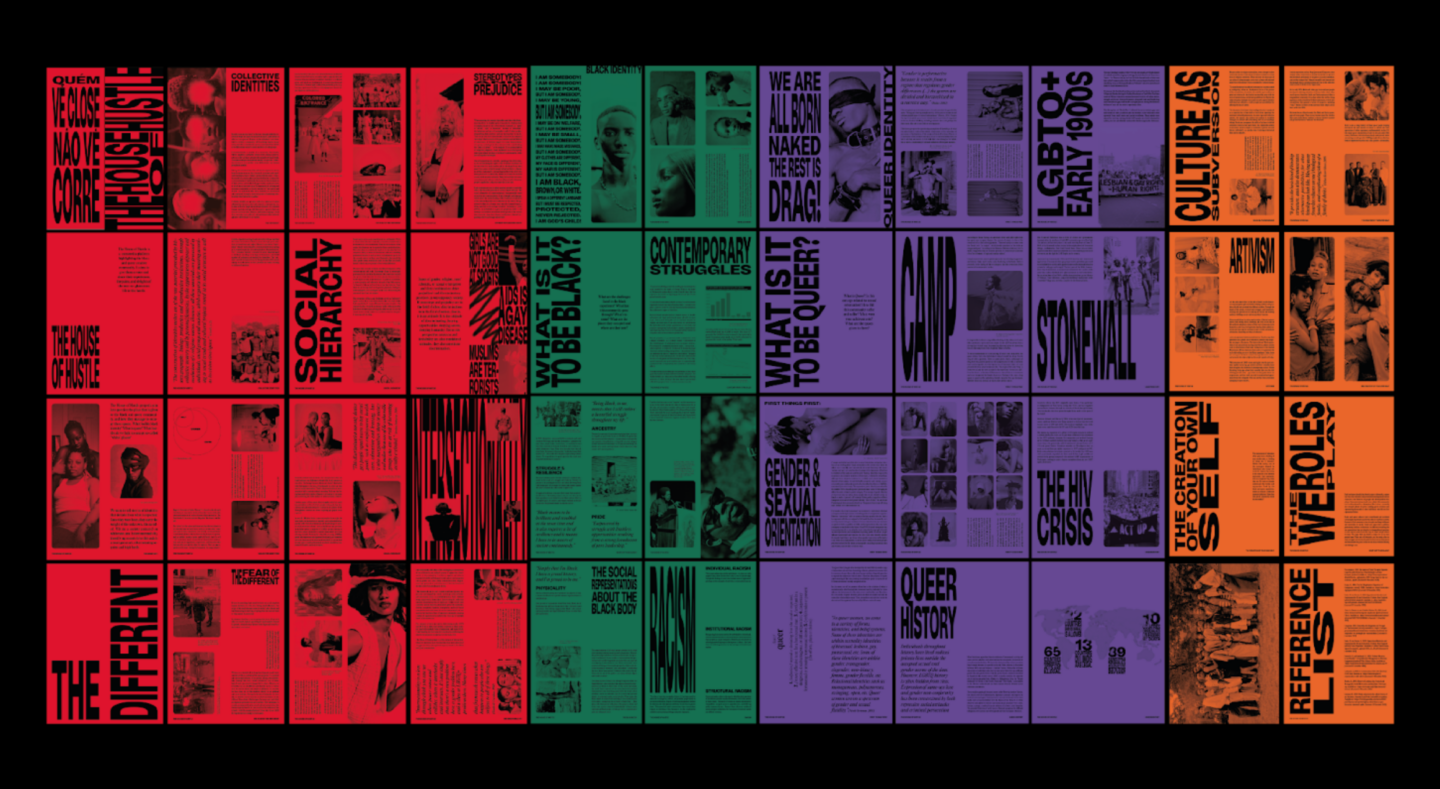
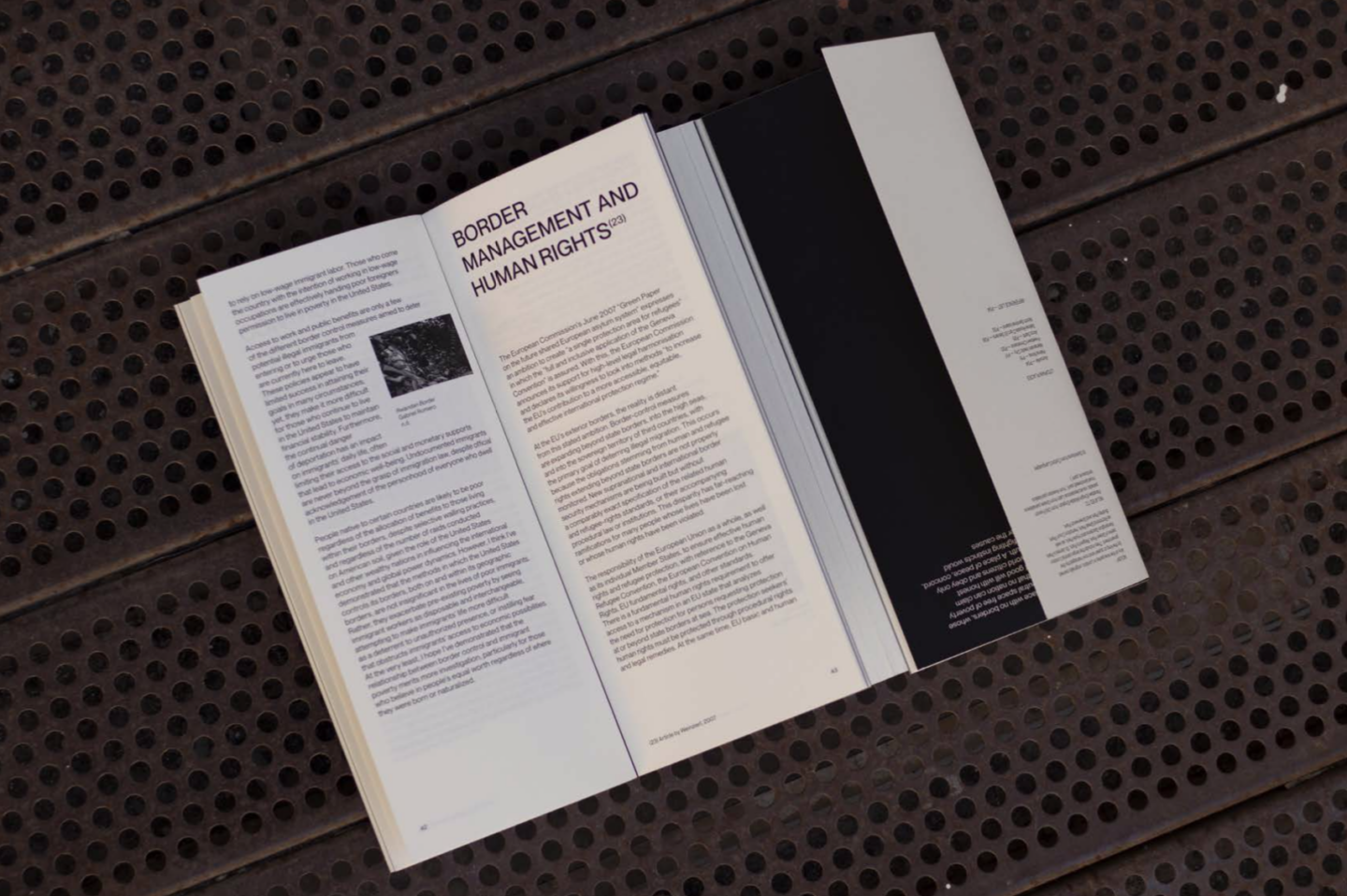
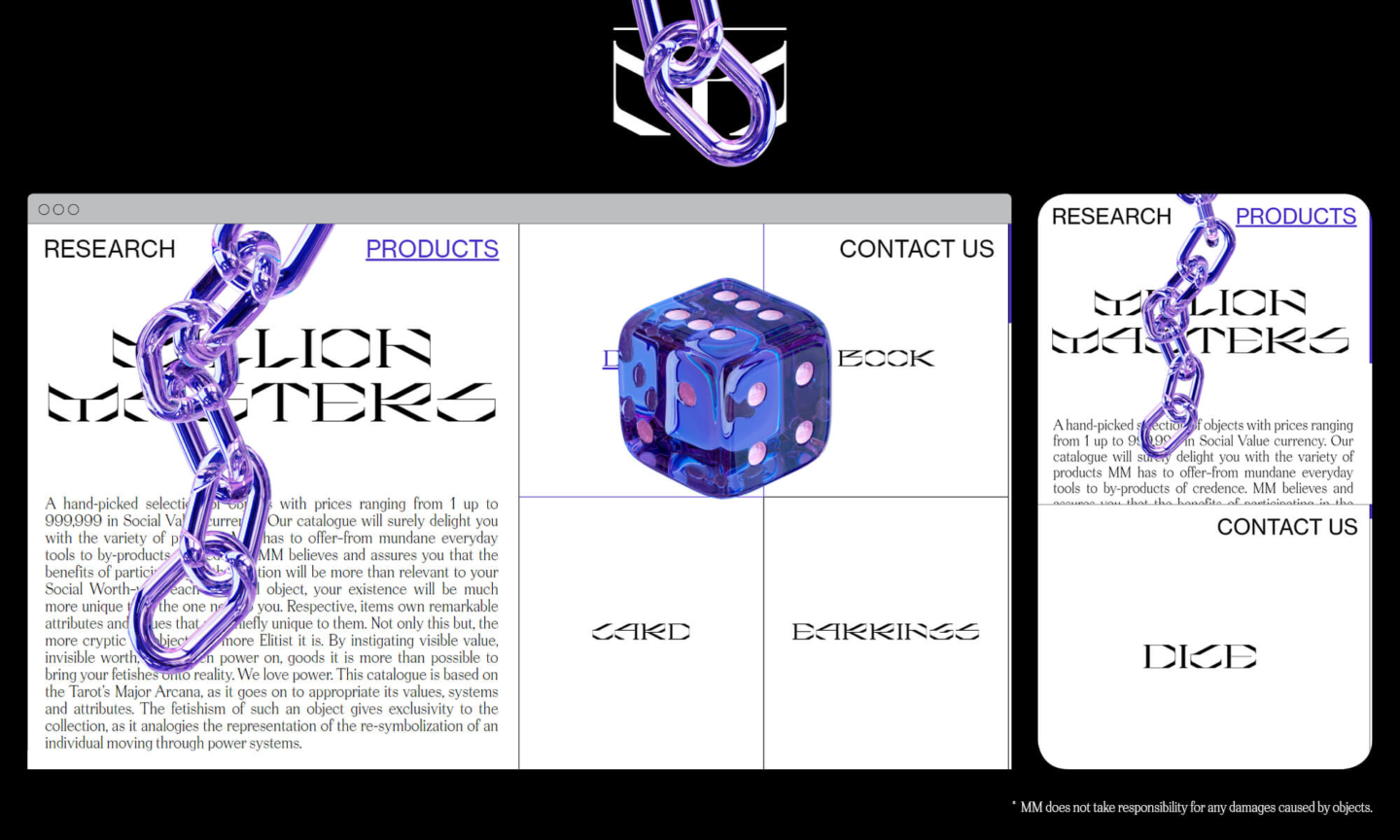
Portfolio




What are the requirements to apply for a course at ETIC?
Applying to ETIC is accessible and flexible. Usually, we consider:
- Certificate with 240 CATS or 120 ECTS
- English test: Duolingo, IELTS or TOEFL (with the required minimum scores from one of the following tests):
- Duolingo (minimum overall score of 115, with at least 95 in each component)
- IELTS 6.0 (minimum overall score of 6.0, with at least 6.0 in Writing and 5.5 in Reading, Listening and Speaking)
- TOEFL iBT (minimum overall score of 80, with at least 20 in each component)
- Portfolio
- Motivation letter
- Letter of recommendation
- Interview
More than formal criteria, we value potential and commitment to learning.
How does the application process work?
- Start your online application (Apply button) via the course page
- Application process starts with submission of documents
- Interview with the Course Coordinator (for external applicants)
- Submission of administrative documents to ETIC
- Final decision and confirmation of place
Are there specific application deadlines?
Yes, the application phase ends on 31st of August 2026.
Early application is recommended due to high demand and a maximum class size of 18 students.
What types of courses does ETIC offer? Neste ponto como é só para os 3º anos é preciso isto tudo?
- International Certification Courses – lasting 2 or 3 years, allowing you to obtain a professionally recognised qualification at both global and academic level
- Annual National Certification Courses – lasting 1 academic year, providing training that prepares you for a future profession, recognised within the industry
- Semester-based National Certification Courses – lasting one semester, ideal for those seeking certified training to explore a new career path
- Specialisations – certified training lasting one semester, for those who already have some knowledge and wish to deepen their expertise
- Workshops – highly specific short-term training, up to a maximum of 40 hours
- Tailor-made training – customised training plans
Are classes more practical or theoretical?
The methodology is highly practical, based on a “learning by doing” approach. This involves a strong practical component, sometimes in real work environments, guided by professionals actively working in the industry. The third year requires a high level of student autonomy.
Is knowledge of English required to study at ETIC?
Students wishing to enter the third year of international certification courses must provide proof of English proficiency at B2 level by presenting one of the following:
· Duolingo (minimum overall score of 115, with at least 95 in each component)
· IELTS 6.0 (minimum overall score of 6.0, with at least 6.0 in Writing and 5.5 in Reading, Listening and Speaking)
· TOEFL iBT (minimum overall score of 80, with at least 20 in each component)
Does ETIC support career integration?
Yes. The school has a Professional Integration Office which:
- Supports CV and portfolio development
- Shares internal job opportunities
- Establishes partnerships with companies and studios
Which companies recruit ETIC students?
Primarily creative agencies, audiovisual production companies, design studios, fashion companies, video game studios, music and technology companies, among many others—some of which have partnerships with ETIC.
Do students find jobs easily?
Employability rates are high in creative and technological fields, thanks to the strong practical component and the portfolio developed.
ERASMUS+ Programme
ETIC offers a mobility programme that allows selected final-year students to undertake internships in various European countries.
Access to funding is granted through an application process, with selection based on project quality and academic performance.
Are ETIC courses recognised?
Internationally, ETIC is accredited by PEARSON BTEC, awarding a Level 5 qualification (240 CATS) upon completion of two-year courses.
Solent University recognises ETIC’s third year of study and awards equivalence to a Level 6 qualification (120 CATS) in the UK.
CATS: Credit Accumulation and Transfer Scheme
What are the tuition fees?
Fees vary by course and include:
- Application fee
- Enrolment fee
- Annual tuition fee
Can I pay in instalments?
Yes, we offer several flexible payment options.
Does ETIC offer scholarships?
Yes:
- Internal merit-based scholarships
- Partnership scholarships, Zona II, Sara Carreira Scholarship, Vo’Arte Scholarship
What resources does ETIC offer?
- TV studios and OB Van (outside broadcast vehicle)
- Design laboratories
- Sound and music studios
- Fashion workshops
- Coworking spaces
Is there any support for international students?
Yes. During the application process and following acceptance, students of non-Portuguese nationality (or those residing outside Portugal) will be supported by the International Student Office.
The aim is to guide and assist international students throughout their integration, particularly in relation to the “Life at ETIC and in Lisbon” experience. This includes recommendations on accommodation, transport, cultural programmes, and social and cultural integration.
Contacts: international@etic.pt; (+351) 213 942 140
Where is the school located?
In the centre of Lisbon, near Cais do Sodré, at Rua D. Luís I, numbers 6 and 20, with easy access to public transport (metro, bus and train just a few minutes away).
Can students use the studios for personal projects?
Yes, subject to booking and internal approval.
Are final projects presented publicly?
Yes, through exhibitions, film screenings, fashion shows, showcases and digital portfolios.